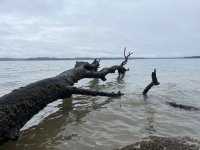
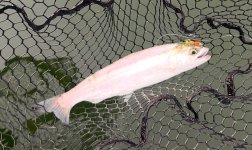
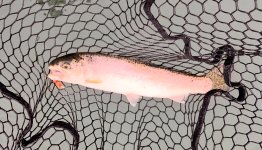
Puget Sound

This is a sand shrimp / also called bay shrimp in the genus Crangon. They can quickly disappear in sandy and muddy bottoms as their pleopods (limbs under the abdomen) excavate a hole in the sediment.
View attachment 137823
This is a great image of a polychaete worm that will soon split between the green non-reproductive section (atoke) and reddish reproductive section (epitoke) (see here). The epitokes have paddle-like parapodia (lateral appendages) that allow them to swim better in the water column. After the split, the atoke may continue to feed. But epitoke swims up in the water column typically under the influence of lunar cues at night (often full moon). Its segments are filled with either eggs or sperm. They appear to be able to detect other individuals chemically and often form swarms. When epitokes of the opposite sex sense each other chemically, their segments rupture releasing a cloud of eggs and sperm. The cloud of motile sperm fertilize the eggs. This synchronous release of eggs and sperm increase the likelihood of fertilization.
View attachment 137824

Steve
 
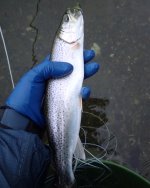
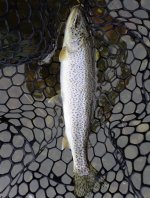
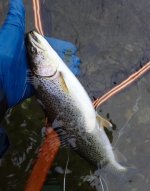
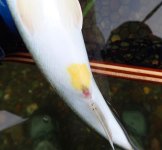
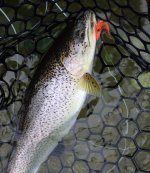
Pretty slow day today. Grinded out a few fish to hand but not much size wise. These big high tides put a lot of debris in the water at times. Not much water movement today either.
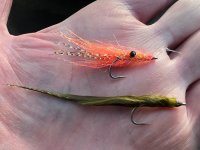
I need to up my small stuff game because there were fish on them today. Just not a fan of fishing small and slow, but it works. Baitfish and an olive marine worm both connected with fish today.
SF

IMG_0311.jpegIMG_0313.jpeg
 
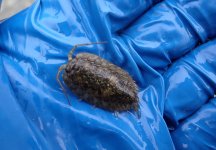
Yes, that is Ligia pallasii, common rock louse, and it is an isopod. They are semi-terrestrial and are typically found scurrying around rocky cliffs above the tide line (mid to upper intertidal zone). If you search a rock wall at low tide, you will typically find them in crevices in the rock. They feed on detached algae and scrape the algal film off the rocks. Like other isopods (and amphipods), fertilized eggs are held in a pouch (the marsupium) under the thorax of the female. The eggs hatch into juveniles that remain in the pouch until they are big enough to survive on their own. There is no pelagic larval phase.
Steve
 
Yes, that is Ligia pallasii, common rock louse, and it is an isopod. They are semi-terrestrial and are typically found scurrying around rocky cliffs above the tide line (mid to upper intertidal zone). If you search a rock wall at low tide, you will typically find them in crevices in the rock. They feed on detached algae and scrape the algal film off the rocks. Like other isopods (and amphipods), fertilized eggs are held in a pouch (the marsupium) under the thorax of the female. The eggs hatch into juveniles that remain in the pouch until they are big enough to survive on their own. There is no pelagic larval phase.
Steve

Steve,
As always, I appreciate your knowledge and input.
Thanks
SF
 
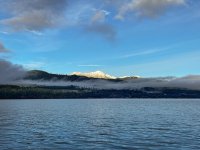
Fished on @jasmillo boat today, searched far and wide with nothing to show besides a photo of the mountain :)
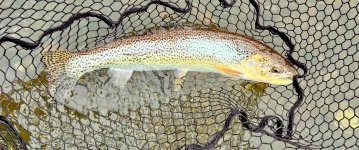
We saw some slashers/sippers but they were moving around too fast and ignored my presentations. Jason caught the only fish of the day.

View attachment 138118
Same here. Took the boat out for a couple hour tour this evening and had a few tugs but no hookups. It seemed like they attacked the fly really quickly then darted back to their holding areas.
 
Fished on @jasmillo boat today, searched far and wide with nothing to show besides a photo of the mountain :)
We saw some slashers/sippers but they were moving around too fast and ignored my presentations. Jason caught the only fish of the day.

View attachment 138118

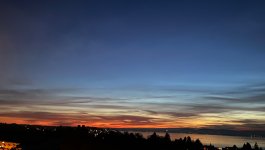
One fish….and maybe one other bump. It was a pretty fish and the views were nice too….

IMG_6570.jpeg
 
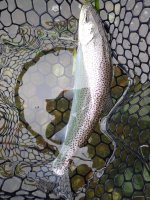
Fishing was a grind today. No wind and very little tidal movement. Didn’t touch a fish for the first two hours. My baitfish patterns must have been sprayed with src repellent. The only two patterns I had luck on were a shrimp and olive marine worm. Some picky sippers around but getting them to bite was another story. Nice foggy, cool day on the water.
SF

IMG_0412.jpegIMG_0413.jpegIMG_0414.jpegIMG_0415.jpegIMG_0396.jpeg
 
It must be a boat game right now because I haven’t seen a fish from the shore for weeks.

They are there, but it generally slows down this time of year. They were definitely on the small stuff for the most part today with very subtle rises.
SF
 
Back
Top