JayB
Life of the Party
Lower birthrate and an aging population has helped to lower crime since the early 1990s. Some argue birth control was a major factor in lower crime as well. I strongly believe that elimination of tetra ethyl lead was very important. Anybody miss the "The Warriors" era of 1970s New York?
The new wave is very clearly associated with use of narcotics and their trafficking. A new generation of politicians and their voters felt very uncomfortable with the high incarceration rate due to drug use. Laws were passed to enable narcotics use of all types, vagrancy became legal, public camping allowed. County and city prosecuters in many areas proclaimed they would not enforce certain basic laws pertaining to property crime. Then the police were placed under much greater scrutiny and liability for use of force. They retired, quit, moved away, or avoid dealing with crime until blood is already spilt. The situation will improve once voters demand it from elected officials.
You successfully made me dig into a bit of a rabbit hole prior to bed last night. Thank you for that. I learned quite a bit.
It appears as though your suggestion of more police officers and lesser jail sentences has a significant amount of support. It does stand to reason that being caught is a far greater deterrent that potential penalties, especially for property crimes. The studies cited showed a few really interesting things regarding policing in our recent history, especially that many predominantly African American neighborhoods and are simultaneously under policed and over arrested for petty crimes (below the level of theft even). There is also significant support across America for there to be more police. This extends to predominantly African American neighborhoods. In fact, White American are less likely to favor larger police forces.
There is an interesting NPR/ Planet Money article that coldly discusses the decrease in violent crime that adding 1 police officer represents. It looks at whether adding enough officers to statistically stop 1 homicide is worth it if you value a life at 10 million. The statistical effect of a police officer on violent crime surprised me a whole lot. It's an interview with a stat guy. I love this sort of stuff:
As with so many things it is a part of a solution. You can also point to improving education as a long term way to reduce crime. I think that we should. It has significant statistical backing as a long term measure. This gets to the question of educational equity and school funding. It also get to the "drug war" and it's effect on families especially in poorer urban areas. All of this is not necessarily in conflict with other ideas like increasing the number of police.
I think that is where the "I am right and you are wrong" binary sort of thinking really plagues us as a country. So often, we see any other answer than the one we espouse to be contrary to our own. Quite often it is complementary. We fight and argue when we'd be better off listening and thinking. I am guilty of this at times too.
A friend of mine taught me that ,"A good idea does not care who had it." or something similar. I may have butchered the language. The idea is sound though.
My thought is that much of what we see today with the difficulty policing is sort of a boomerang effect of the "drug war". I have a lot of thoughts about police and culture, the incredibly difficult job that police have, and the necessity to make the job more appealing to a broader swath of society. There is not time to discuss it here but I sure wish it could be discussed nationally, locally and civilly without the moralist shaming that has become the standard operating procedure for policy discussions.
I commend you for taking the time to dive into the literature to inquire about a cause that you care about, and for being willing to carefully evaluate the findings on their own merits. That makes you quite the oddball these days.
For what it's worth when I first heard the "more police, shorter sentences" line I was skeptical of the shorter sentences aspect (until I thought about it for a bit), but part of what was persuasive about the dialogue I was hearing was that serious scholars on the left and right seemed to agree that there was an overwhelming consensus supporting that conclusion in the literature. The fact that neither side was 100% happy with that model but had to grudgingly agree with the findings was also part of what caught my attention, since those on the left weren't automatically predisposed to favor more police, and those on the right weren't automatically predisposed to favor shorter sentences.
There's been such a complete, top-to-bottom collapse in the cultural, political, and judicial consensus that emerged in the 80s and 90s - such as it was - that supported a dispassionate, evidence based approach for law enforcement that at this point the benefits of hiring more police would be substantially muted. I don't expect that to change for at least a decade or more, and I'll likely be dead before things turn around.
I agree with you when it comes to schools and the benefits of education, but there's a distinction between "schooling" and learning, and as with policing, if you disregard the data you can spend significantly more on the former without doing much to increase the latter. There's nowhere where the failure to heed the evidence is more clear than when it comes to reading - and no skill more highly correlated with most of the outcomes we're hoping that schooling will produce, yet schools around the country are persisting in using flawed methods that are driving a multi-generational catastrophe when it comes to teaching kids - especially poor kids - to read effectively. This is another case where serious, principled people on the right and the left agree that there's a vastly more effective way to teach reading, and that the benefits of universally adopting these methods would be profound. Sadly - this is also a case where the presence of this left/right consensus is very unlikely to have any effect whatsoever on public policy. One more case where I've resigned myself to trying to limit the damage that these policies inflict on my family.
This NPR podcast series is a good primer on the topic.
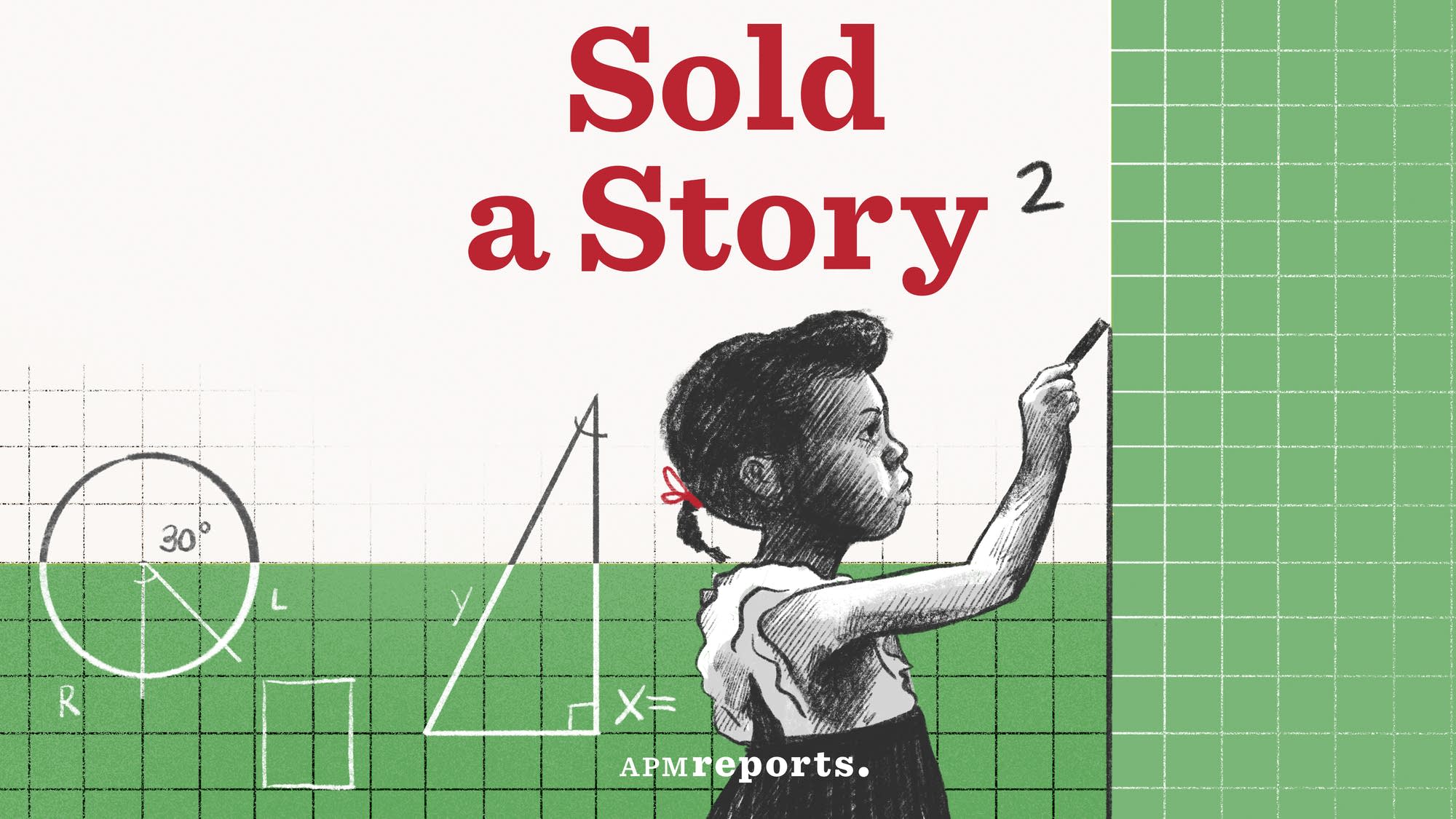
Sold a Story | Podcast
Sold a Story is an investigative podcast about how kids learn — what works in the classroom, the science behind those insights and why that research often doesn't make it into schools. Season 1 revealed why so many kids are behind in reading, and it sparked a wave of change across the country...
 features.apmreports.org
This blog-post is a good distillation of the evidence on instructional methods from a center-right economist.

Direct Instruction: A Half Century of Research Shows Superior Results - Marginal REVOLUTION
What if I told you that there is a method of education which significantly raises achievement, has been shown to work for students of a wide range of abilities, races, and socio-economic levels and has been shown to be superior to other methods of instruction in hundreds of tests? Well, the...
 marginalrevolution.com
Last edited: