NFR Electric Truck

Non-fishing related
Status
Not open for further replies.
ifSteve, Roper and Evan B, I spent several years of my career working energy technology and it is the worst experience of my life, when I made a change away I was never happier. This industry is dominated by K Street scoundrels.

The objective Life Cycle Analysis you seek does not exist and it may not be possible. The complexities of subsidies locally, nationally and globally make energy and material costs unknown. Almost all data provided are biased to a pre-determined outcome.

Conflicted (e.g. Co) and Critical (e.g. Rare Earth) material lists vary depending on who has been influenced by a lobbyist. For example, critical and conflict materials apply to all energy sectors, Co and Ni are critical to gas turbines and they may need more.

New Zealand did a complete reset in their agricultural industry and stopped all subsidy, the results were fascinating (to me anyway), it's worth the read. Maybe we need a reset in energy?
These two points need to be emphasized. Yes, a reset would be very welcome, but far too much money and influence is entrenched in there. Oil is one of, if not the most lucrative, profitable businesses in human history. It won't let alternatives come along without a serious fight.

Yes, I realize misinformation and lobbying exists on all sides.
 
It should be noted (in case no one recognized) that the link to the peer reviewed study that Evan posted is from Nature, which happens to be one of the most prestigious scientific journals period....or at least the original link he provided.

what happened to that link, @Evan B ? I didn't get a chance to look at it, just glanced at the source.
 
It should be noted (in case no one recognized) that the link to the peer reviewed study that Evan posted is from Nature, which happens to be one of the most prestigious scientific journals period....or at least the original link he provided.

what happened to that link, @Evan B ? I didn't get a chance to look at it, just glanced at the source.
Hmm, I had both on there. When I edited a typo from my phone it may have removed one of the links. It was a very thorough study that really considered the negative impacts. So definitely not a "PRO EV!" piece. Was trying to give a balanced approach. I'll see if I can find it again.

Edit: Also from Nature: a bit more digestible for an easy read. It does reference several papers, though.


A good tidbit:

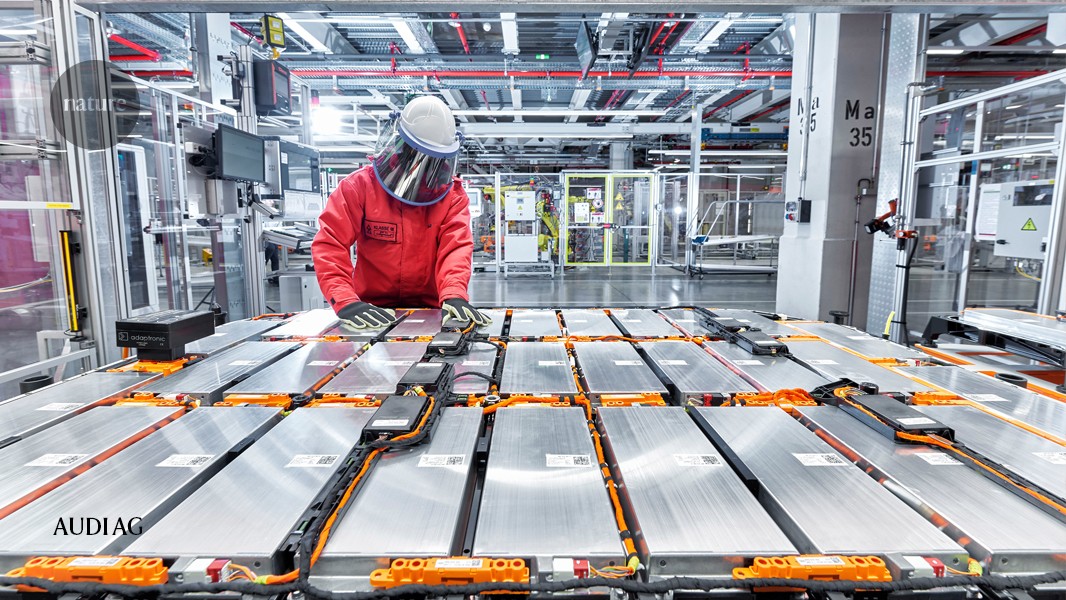
But some researchers complain that electric vehicles seem to be held to an impossible standard in terms of the environmental impact of their batteries. “It would be unfortunate and counterproductive to discard a good solution by insisting on a perfect solution,” says Kamath. “That does not mean, of course, that we should not work aggressively on the battery disposal question.”
 
Could you share a link for the NZ subsidy thing? I'd be interested in reading that.
I read several articles so I'm not sure if I had a favorite just google NZ eliminates subsidy for farming. The one thing I never quite got a handle on was "inflation control measures used by NZ" finance is not my area!
 
It should be noted (in case no one recognized) that the link to the peer reviewed study that Evan posted is from Nature, which happens to be one of the most prestigious scientific journals period....or at least the original link he provided.

what happened to that link, @Evan B ? I didn't get a chance to look at it, just glanced at the source.
I've published in both Science and Nature (in my area of expertise which is not batteries or EV) and you have to remember that there is always an editor, editorial board and reviewers. As hard as editors and reviewers try to be objective they are human and usually under pressure to win research funding. Coming out against politically popular topics and opinions could impact their career.

It is not a coincidence that the highest impact factor researchers (most published in prestigious journals) are also sources of funding for research.
 
Hmm, I had both on there. When I edited a typo from my phone it may have removed one of the links. It was a very thorough study that really considered the negative impacts. So definitely not a "PRO EV!" piece. Was trying to give a balanced approach. I'll see if I can find it again.

Edit: Also from Nature: a bit more digestible for an easy read. It does reference several papers, though.


A good tidbit:

But some researchers complain that electric vehicles seem to be held to an impossible standard in terms of the environmental impact of their batteries. “It would be unfortunate and counterproductive to discard a good solution by insisting on a perfect solution,” says Kamath. “That does not mean, of course, that we should not work aggressively on the battery disposal question.”
Thanks, appreciate it.
 
I've published in both Science and Nature (in my area of expertise which is not batteries or EV) and you have to remember that there is always an editor, editorial board and reviewers. As hard as editors and reviewers try to be objective they are human and usually under pressure to win research funding. Coming out against politically popular topics and opinions could impact their career.

It is not a coincidence that the highest impact factor researchers (most published in prestigious journals) are also sources of funding for research.


Regardless, the science still has to be sound. You're never going to get an opinion piece published unless you're shooting for the local newspaper or if you're some blogger named LezLuther or whatever the hell that guy anonymously calls himself.
 
I've published in both Science and Nature (in my area of expertise which is not batteries or EV) and you have to remember that there is always an editor, editorial board and reviewers. As hard as editors and reviewers try to be objective they are human and usually under pressure to win research funding. Coming out against politically popular topics and opinions could impact their career.

It is not a coincidence that the highest impact factor researchers (most published in prestigious journals) are also sources of funding for research.

This does not jive with my experience. If you’ve published there, then you know that manuscript editors of Nature and Science are PhDs in their field who’ve eschewed research careers to instead become full-time editors, with no control over funding. Reviewer identities are held in confidence by editors. Neither editors nor reviewers have any sway over funding, as it moves via completely separate pathways.
 
A good tidbit:

But some researchers complain that electric vehicles seem to be held to an impossible standard in terms of the environmental impact of their batteries. “It would be unfortunate and counterproductive to discard a good solution by insisting on a perfect solution,” says Kamath.
That’s the American way of problem solving in the past quarter century. If it ain’t perfect, it ain’t worth doing.
 
This does not jive with my experience. If you’ve published there, then you know that manuscript editors of Nature and Science are PhDs in their field who’ve eschewed research careers to instead become full-time editors, with no control over funding. Reviewer identities are held in confidence by editors. Neither editors nor reviewers have any sway over funding, as it moves via completely separate pathways.
In my field I can recognize reviewers by their editorial comments, after 40 years I pretty much know who they are and what they are going to say. When you drill down to specific topics the world gets small very fast and opinions show through. The challenge for an editor is taking somewhat biased reviews and reaching an unbiased conclusion. You are right the better journals are better, but I will stand my ground that they are not perfect! Fraud accounts for a majority of retractions.
 
Out of curiosity, what is your field, @longputt ?
 
sure.....ok.....
 
“It would be unfortunate and counterproductive to discard a good solution by insisting on a perfect solution,” says Kamath.
I see these type of arguments ALL the time on basically any controversial issue. If a solution isn't 100% perfect than it should basically be disregarded according to many. People are afraid of change and the amount of energy put in to formulating their opinions is often minimal.

What I'm getting from the anti-EV crowd is that since renewable energy and EVs aren't absolutely perfect right out of the gate, they aren't worth our time. The way they will get better is to invest in the science that will allow them to be improved. We know what we have in fossil fuels, but we don't yet know how far we can go with renewable energy and battery tech. The idea that since we don't know all the answers now we should just stick to oil and coal is preposterous.
 
I see these type of arguments ALL the time on basically any controversial issue. If a solution isn't 100% perfect than it should basically be disregarded according to many. People are afraid of change and the amount of energy put in to formulating their opinions is often minimal.

What I'm getting from the anti-EV crowd is that since renewable energy and EVs aren't absolutely perfect right out of the gate, they aren't worth our time. The way they will get better is to invest in the science that will allow them to be improved. We know what we have in fossil fuels, but we don't yet know how far we can go with renewable energy and battery tech. The idea that since we don't know all the answers now we should just stick to oil and coal is preposterous.
Same as the guys yelling at clouds.
 
  • Like
Reactions: XLO
I see these type of arguments ALL the time on basically any controversial issue. If a solution isn't 100% perfect than it should basically be disregarded according to many. People are afraid of change and the amount of energy put in to formulating their opinions is often minimal.

What I'm getting from the anti-EV crowd is that since renewable energy and EVs aren't absolutely perfect right out of the gate, they aren't worth our time. The way they will get better is to invest in the science that will allow them to be improved. We know what we have in fossil fuels, but we don't yet know how far we can go with renewable energy and battery tech. The idea that since we don't know all the answers now we should just stick to oil and coal is preposterous.
Dude, you could literally say the same about the pro EV crowd. It has to be 100% carbon free, or nothing. Which is why I proposed a hybrid system of effiecient fossil fuel/renewable bio diesel use with electric motors and batteries.
 
Dude, you could literally say the same about the pro EV crowd. It has to be 100% carbon free, or nothing. Which is why I proposed a hybrid system of effiecient fossil fuel/renewable bio diesel use with electric motors and batteries.
I don't recall seeing any pro-EV folks here saying it has to be 100% carbon free, or nothing.
 
Status
Not open for further replies.
Back
Top