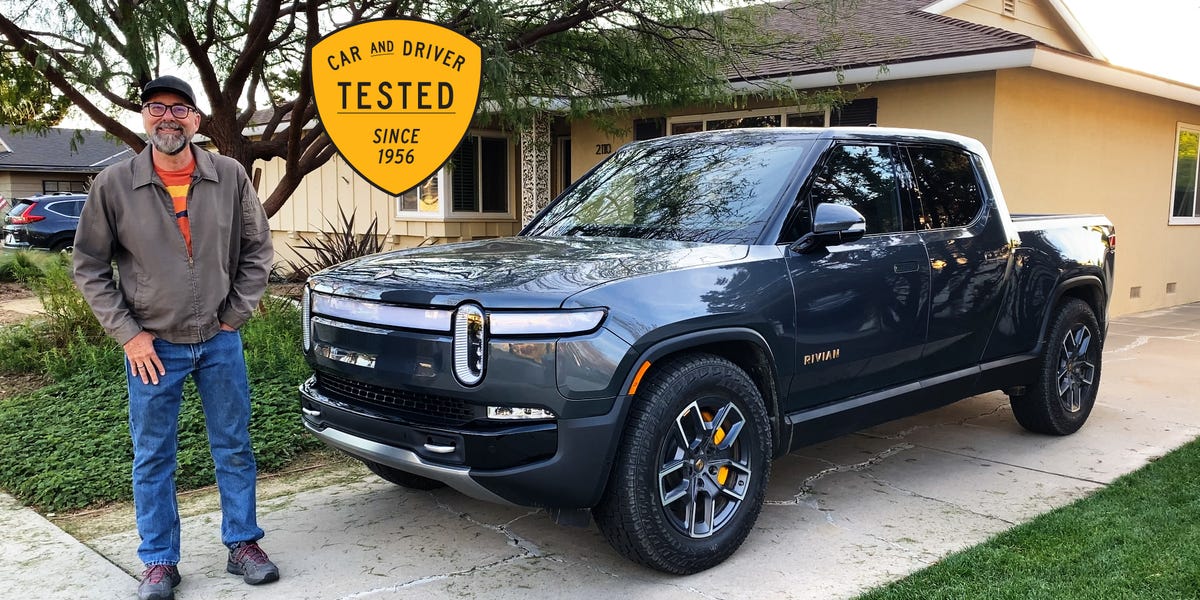
NFR Electric Truck

Non-fishing related
Status
Not open for further replies.
You should check this out:
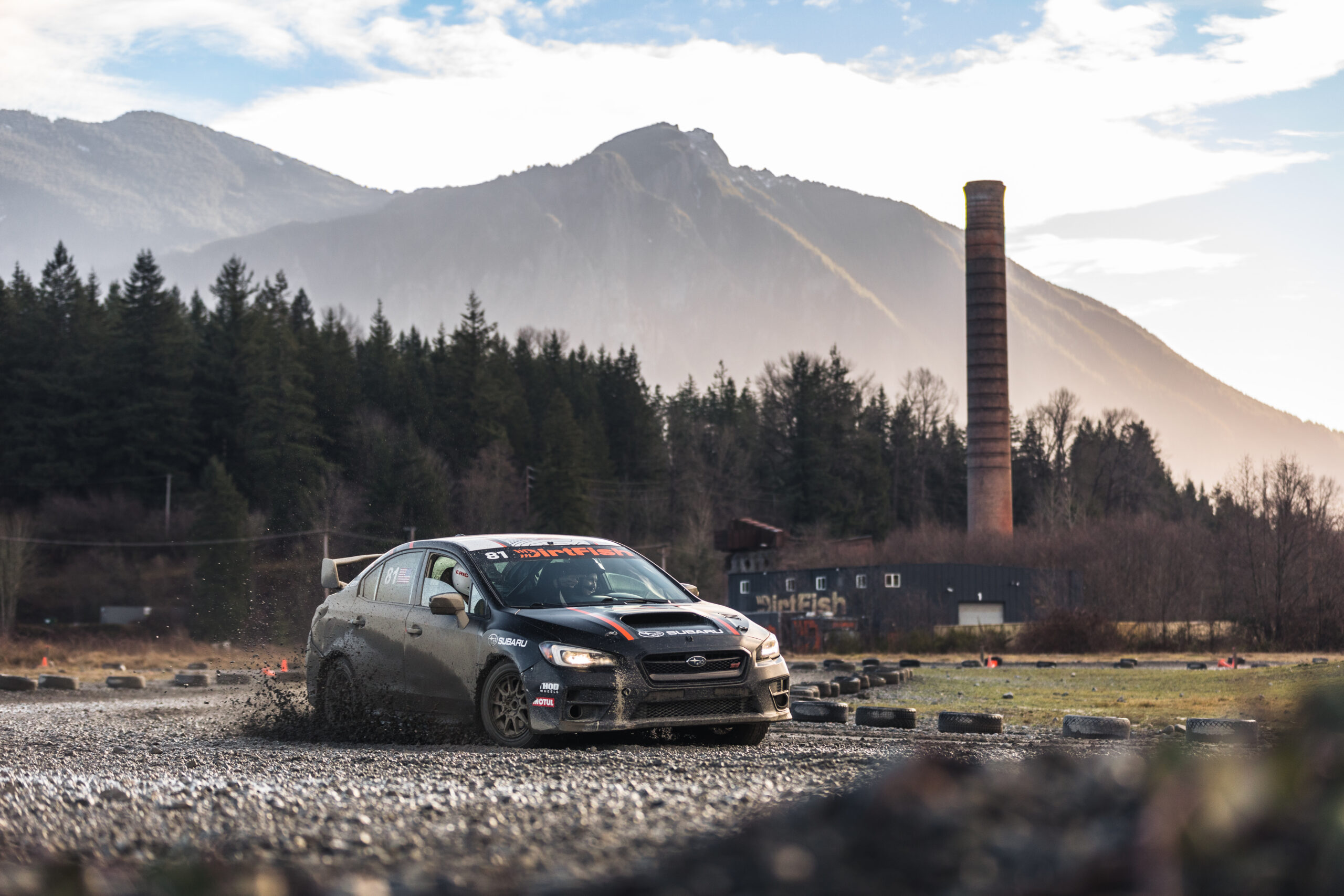
My grandson and I went there 3 years ago, he drove a BRZ and came away with an appreciation of the old “it’s more fun to drive a slow car fast than a fast car slow” axiom.
Their showroom has an old English Ford Escort, Subies and other prepared rally cars. Cool place to visit even if you don’t drive or take a course.
After I rebuilt the Midget but before I painted it I used to go out on the gravel roads outside town and drive it hard. This type of driving can be loads of fun.
 
  • Like
Reactions: Zak
The wife still bought a Subaru, and she loves it.

I sure love mine, it seems to be the perfect car for the Tundra. Lots of ground clearance-more than some pickups-no oil pan or differential hanging down as a target and nearly 30 mpg make the Outback a very capable back road vehicle. Not overall perfect however as the control layout is vexing and some of the electronic nannys are really intrusive. But once you figure out how to shut them off it is very good on mountain roads where mine mostly makes it's living. After 2019 I think Subaru went the full electronic nanny route but my 2018 was spared some of the more aggressive systems on the newer models.

No range anxiety either with a big tank and good mileage it can go hundreds of miles on a single tank, I recently went over 2 months without a fill up.
 
I sure love mine, it seems to be the perfect car for the Tundra. Lots of ground clearance-more than some pickups-no oil pan or differential hanging down as a target and nearly 30 mpg make the Outback a very capable back road vehicle. Not overall perfect however as the control layout is vexing and some of the electronic nannys are really intrusive. But once you figure out how to shut them off it is very good on mountain roads where mine mostly makes it's living. After 2019 I think Subaru went the full electronic nanny route but my 2018 was spared some of the more aggressive systems on the newer models.

No range anxiety either with a big tank and good mileage it can go hundreds of miles on a single tank, I recently went over 2 months without a fill up.
Being at just about retirement age she did the Outback Touring. An amazing car. It's a '21 and full on Nanny. Hands on the wheel, eyes on the road, ect. I find the wheel a bit small, the front a bit confining, and the overall drive on the road a bit too responsive (squirrely). I prefer my '05 Volvo XC70. They can both go where I want to, and drive about the same in the snow. She gets better milage however, and we may be switching more often. It's got 185K and I'd like to keep it up, even a major part. My next/last rig might be an electric truck of some kind, we'll see.
 
Last edited:
My biggest Subaru complaint is that the crosstrek cup holders can't fit a 1 liter Nalgene bottle. Do they not know their consumer at all??
My pre-2000 Nissan and Infiniti vehicles had cup holders that were too small for most cups and water bottles being sold today. My newer Mazda will hold bigger bottles but I need to keep hydrated so smaller cups and even 24 ounce water bottles don't work for me. I picked up a couple of these.
 
Apologies for the thread drift, but had anyone used an electric bike for commuting?

I've been taking the bus daily for a while now but am about to move somewhere where that is less feasible. Is 11 miles each way doable (<100 ft. elevation change, and mostly on a paved trail/Greenway situation)? How much does range drop in ~30F temperatures? Any recommendations?
 
Apologies for the thread drift, but had anyone used an electric bike for commuting?

I've been taking the bus daily for a while now but am about to move somewhere where that is less feasible. Is 11 miles each way doable (<100 ft. elevation change, and mostly on a paved trail/Greenway situation)? How much does range drop in ~30F temperatures? Any recommendations?
No problem. Piece of cake for almost any ebike.

Also, with most e-bikes you can adjust how much assist you want. You can still get a great workout if you want, or not.
 
Have y’all thought about where the electricity stored in the battery comes from? Most EV’s are coal fired…or nuclear…or hydro…or natural gas…asking for a friend.
 
Have y’all thought about where the electricity stored in the battery comes from? Most EV’s are coal fired…or nuclear…or hydro…or natural gas…asking for a friend.
At present, 60% of U.S. electricity comes from fossils fuels, 20% from nuclear, and 20% from renewables. In Washington, renewables, including hydroelectric, dwarf all fossil fuel sources. ALL of the fuel in a traditional vehicle comes from fossil fuels...
Steve
 
Yes. Nearly everyone thinks about where electricity comes from. I can find you a few dozen peer reviewed studies comparing green house gas emissions as CO2 equivalent units in a few minutes. Renewables good but high land usage. Nuclear good overall and low land usage but NIMBYs cry about it. Hydro has a lot of upfront GHG costs for concrete and later effects with decaying plant matter producing methane; stops anadromous fish. Dinosaur shit bad but low land usage. Only nuclear has the true capacity to produce baseline power at a level that big ass batteries aren't required, in my professional opinion.

No matter what way you spin it, coal, oil, and natty gas suck.
 
A typical EV battery weighs one thousand pounds, about the size of a travel trunk. It contains twenty-five pounds of lithium, sixty pounds of nickel, 44 pounds of manganese, 30 pounds cobalt, 200 pounds of copper, and 400 pounds of aluminum, steel, and plastic. Inside are over 6,000 individual lithium-ion cells.
It should concern you that all those toxic components come from mining. For instance, to manufacture each EV auto battery, you must process 25,000 pounds of brine for the lithium, 30,000 pounds of ore for the cobalt, 5,000 pounds of ore for the nickel, and 25,000 pounds of ore for copper. All told, you dig up 500,000 pounds of the earth's crust for just - one - battery

And then there’s the problem of the battery at the end of it’s life cycle…

but hey, it’s green…right?

 
Yes. Nearly everyone thinks about where electricity comes from. I can find you a few dozen peer reviewed studies comparing green house gas emissions as CO2 equivalent units in a few minutes. Renewables good but high land usage. Nuclear good overall and low land usage but NIMBYs cry about it. Hydro has a lot of upfront GHG costs for concrete and later effects with decaying plant matter producing methane; stops anadromous fish. Dinosaur shit bad but low land usage. Only nuclear has the true capacity to produce baseline power at a level that big ass batteries aren't required, in my professional opinion.

No matter what way you spin it, coal, oil, and natty gas suck.
So, you’re all EV, right?
 
A typical EV battery weighs one thousand pounds, about the size of a travel trunk. It contains twenty-five pounds of lithium, sixty pounds of nickel, 44 pounds of manganese, 30 pounds cobalt, 200 pounds of copper, and 400 pounds of aluminum, steel, and plastic. Inside are over 6,000 individual lithium-ion cells.
It should concern you that all those toxic components come from mining. For instance, to manufacture each EV auto battery, you must process 25,000 pounds of brine for the lithium, 30,000 pounds of ore for the cobalt, 5,000 pounds of ore for the nickel, and 25,000 pounds of ore for copper. All told, you dig up 500,000 pounds of the earth's crust for just - one - battery

And then there’s the problem of the battery at the end of it’s life cycle…

but hey, it’s green…right?
Dont even try man, its a lost cause
 
A typical EV battery weighs one thousand pounds, about the size of a travel trunk. It contains twenty-five pounds of lithium, sixty pounds of nickel, 44 pounds of manganese, 30 pounds cobalt, 200 pounds of copper, and 400 pounds of aluminum, steel, and plastic. Inside are over 6,000 individual lithium-ion cells.
It should concern you that all those toxic components come from mining. For instance, to manufacture each EV auto battery, you must process 25,000 pounds of brine for the lithium, 30,000 pounds of ore for the cobalt, 5,000 pounds of ore for the nickel, and 25,000 pounds of ore for copper. All told, you dig up 500,000 pounds of the earth's crust for just - one - battery

And then there’s the problem of the battery at the end of it’s life cycle…

but hey, it’s green…right?
Do you have any peer-reviewed science and studies to back up the numbers? Because all studies I looked at before going with an EV point to EVs being far more ecologically sound over their life than gas rigs. And at the end of their life, the batteries are recyclable. I've continued to keep up on the science and it still points to that being the case. I'm on my phone so can't compile a ton of info but this sheet has several studies included. If you have any peer reviewed science that contradicts it, please share.

All energy consumption by us has an ecological impact. So saying there are downsides to EVs without a comparison to the alternatives doesn't help much. I know many don't believe in the impacts of fossil fuels, often by listening to the same sources who claim electric vehicles are far worse without showing the peer reviewed science to back it up. I've actually had two separate people close to me in my life tell me a lot of the same arguments... and one humorous one was out of the blue within the same week, both of these guys who don't even know each other went on to tell me how fracking for oil is actually GOOD for the environment. Both guys are proud of the fact they barely finished high school, don't read books, and don't even know what a scientific paper is. So again the lost cause thing. We're all lost causes in our own way it seems.

There is no "green" way to do our level of energy consumption. I make no claims that my EV is "going green." It's just a slightly better option than the alternative over time, especially because of where my electricity comes from. I also can keep driving without worrying about the price at the pump(until I decide to fire up my F250 and big boat).

 
Last edited:
So, you’re all EV, right?
Post #207 above. I ride the bus except for grocery shopping (don't want to be that person loading a wagon full of produce onto the bus) and taking the occasional trip into the mountains for hiking and fishing (those bus lines only run in the winter for skiing).
 
ifSteve, Roper and Evan B, I spent several years of my career working energy technology and it is the worst experience of my life, when I made a change away I was never happier. This industry is dominated by K Street scoundrels.

The objective Life Cycle Analysis you seek does not exist and it may not be possible. The complexities of subsidies locally, nationally and globally make energy and material costs unknown. Almost all data provided are biased to a pre-determined outcome.

Conflicted (e.g. Co) and Critical (e.g. Rare Earth) material lists vary depending on who has been influenced by a lobbyist. For example, critical and conflict materials apply to all energy sectors, Co and Ni are critical to gas turbines and they may need more.

New Zealand did a complete reset in their agricultural industry and stopped all subsidy, the results were fascinating (to me anyway), it's worth the read. Maybe we need a reset in energy?
 
ifSteve, Roper and Evan B, I spent several years of my career working energy technology and it is the worst experience of my life, when I made a change away I was never happier. This industry is dominated by K Street scoundrels.

The objective Life Cycle Analysis you seek does not exist and it may not be possible. The complexities of subsidies locally, nationally and globally make energy and material costs unknown. Almost all data provided are biased to a pre-determined outcome.

Conflicted (e.g. Co) and Critical (e.g. Rare Earth) material lists vary depending on who has been influenced by a lobbyist. For example, critical and conflict materials apply to all energy sectors, Co and Ni are critical to gas turbines and they may need more.

New Zealand did a complete reset in their agricultural industry and stopped all subsidy, the results were fascinating (to me anyway), it's worth the read. Maybe we need a reset in energy?
Could you share a link for the NZ subsidy thing? I'd be interested in reading that.
 
Status
Not open for further replies.
Back
Top