Geez, now I'm getting homework...

We have native freshwater "shrimp" in Washington which fall into two groups. First, there are about
12 species of
fairy shrimp =
brine shrimp (aka, sea monkeys). These smallish (up to 1") crustaceans are common in vernal pools (seasonal pools) and some hypersaline or hyperalkaline lakes.
They are filter-feeders and are known for fast growth and reproduction after temporary ponds fill with water and their dormant/resistant eggs hatch.
A second "shrimp" group are the opossum shrimp =
mysids. This group includes 1000+ marine and freshwater species (and they are probably one of the major food sources for searun cutts in the winter in Puget Sound). They are called opossum shrimp because fertilized eggs (and larvae and early juveniles) are held in a pouch of flexible plates under the throrax of the female (as is also true in amphipods, isopods, tanaids, and cumaceans = all members of the paracaridean crustaceans); members of this group lack a pelagic larval stage and emerge as miniature adults. In Washington, opossum shrimps are found in
Lake Washington, the Columbia River and its reservoirs, among other lakes.
Neomysis mercedes are avid predators on small zooplankton, such as copepods and
Daphnia; their foraging may lead to
competition with sockeye salmon juveniles but they are also a food item for larger trout (especially in
tailwater fisheries below reservoirs and there are
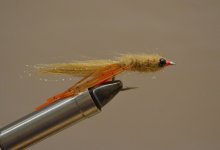
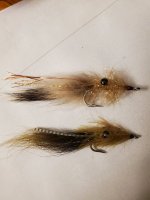
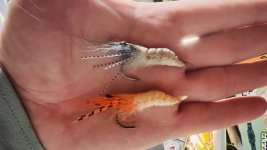
fly patterns that mimic them).
But the shrimp that
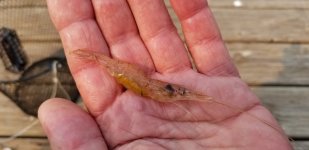
@Tom Butler is showing is an introduced decapod (10-legs/appendages, same as crabs, saltwater shrimp, lobsters) shrimp species from Asia, known as the Siberian prawn (
Palaemon or Exopalaemon modestus). This species was first recorded in the lower Columbia in 1995. It may have been carried in the
ballast water of a ship from Asia. It is found as far as the Snake River in the Columbia River system. It has invaded the Umpqua River and the Sacramento River Delta (Sacramento and San Joaquin Rivers. They reach 7cm (2.8") and
feed on detritus and benthic invertebrates. Their impacts on the Columbia River ecosystem are unclear. You can find a summary of their ecology in the lower Snake River
here.
Steve