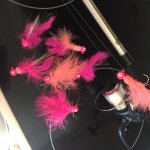
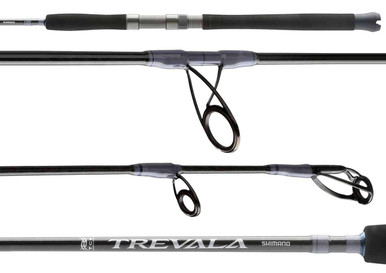
I've used small crappie jigs up to big striper jigs for coho. I've also taken kings, steelies, and lots of chum of twitching jigs. And tons of humpies of course. A couple SRC and dollies on accident. They all prefer a bit different jigging approach. You also need to account for the conditions. High colored water - you go big and aggressive. Low clear water and pressured fish - smaller and more drab colors - more subtle presentation. I prefer a longer rod with a sensitive tip - something a lot of guys would use for a float fishing rod. I want to feel the jig hitting bottom, ticking rocks, and I can tell the belly of a chum or or humpy vs their toothy mouths quite easily and know when to set the hook or let up a bit. If you are snagging fish - you are doing it wrong. Maybe 1 in 20 are foul hooked. But some guys seem to do the opposite simply because they don't know or don't care... The longer rod tends to let me use lighter line. It also lets me have more of a vertical presentation, which I find helps keep me out of snag (rocks and logs) and also from ripping through fish. I want to drop it on top of them, but not into them. Then jig above them looking for that aggressive fish to come smash it. I don't rip like a lot of guys - where they are 'setting the hook' on each cast. Over and over. Don't be that guy. Finesse works much better. I lift in a steady and controlled way, then let it free fall anywhere from 6 to 18 inches. They prefer to hit it on the drop most of the time. And often will be following all the way back, so keep an eye on them. I've caught so many salmon by being patient and observant (polarized glasses help) and dangling it around a few seconds before re-casting.
My favorite jigs - just a plain or painted jig head on a quality hook. Then slip on a pink steelhead worm cut in half. Kinda like a bass 'ned rig'. Size, length, color varies based on fish species targeted and water conditions.
I cast, let drop and count. I pay close attention and want to hit bottom, and then immediately be ready to pick it right off the bottom and start carefully jigging. If the current is right, you can jig in place for quite a while. But usually it is left, drop slack and reel in a little line, left, drop slack while reeling a little line, repeat. If the bottom is snaggy, I figure out where bottom is (counting method) then begin my twitching a second or so before I should be on bottom. Fresh aggressive silvers are the easiest. Hitting the river on the drop after a big rain is also your best bet. When the river is high, colored, and dropping - I use a bigger jig and fish a big grid pattern and quickly cover as much water as I can looking for aggressive fish. When the water is low and clear, I go small, work the deepest pockets, and jig slowly with minimal movement (2 to 6 inch rise and drop). Kings, chums, steelies - stay deep and jig slow with minimal up and down action. Pinks are right in between the coho and kings/chums as far as jig size and twitching action. Just my 2 cents. Lots of guys do it differently. I began doing this over 30 years ago. Well before I heard the term "twitching" being used.
Also, based on David's combat fishing scenario - I avoid fishing where others are as much as possible. Nothing puts the bite off more than a dozen yahoos foul hooking fish left and right and ripping big ugly jigs through a pool. Find a nice quiet spot and you'll find the fish are much more likely to bite.