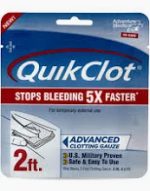
For day trips or weekend outings where help isn’t too far away, a compact but capable first aid kit usually makes the most sense. The ideas already mentioned above are solid, especially keeping the kit lightweight while still covering common problems such as cuts, blisters, and sprains. A good starting setup would include a mix of regular bandages, a couple of larger gauze pads, antiseptic wipes, basic medications such as ibuprofen, and an ACE wrap for minor injuries. One thing that is often overlooked in smaller kits is proper bleeding control. Even when you’re not deep in the backcountry, accidents with knives, fishing gear, or sharp rocks can happen quickly, so adding a compression bandage or small tourniquet can make a big difference in an emergency.
Another approach some people use is starting with a simple off-the-shelf kit and then customizing it with a few trauma-focused items that don’t add much weight but improve preparedness. Brands focused on emergency readiness have started building compact kits around this idea. FlareSyn is one example that focuses on practical trauma gear such as tourniquets, chest seals, and compact IFAK-style setups. There’s a useful overview of that type of equipment at:
https://flaresyn.com which can give a few ideas for upgrading a small kit without making it bulky.
Beyond the gear itself, knowledge is just as important. A short wilderness first aid or emergency response course can help you recognize problems quickly and make better use of whatever supplies you carry.