Yes, there are a lot of pinks in the North Pacific. However, given the size of those hatchery programs I was surprised that 85% of those pinks were wild fish.
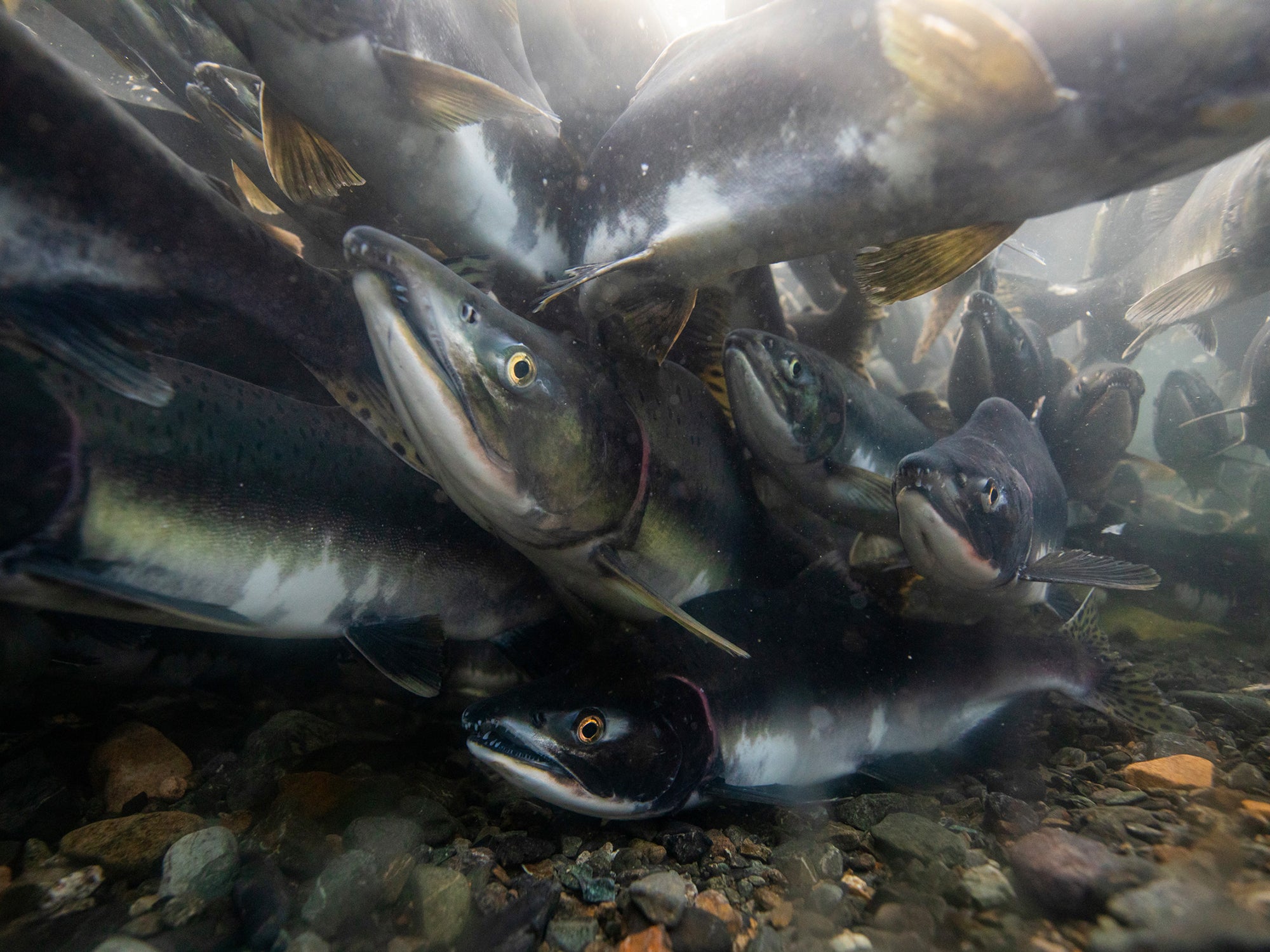
Pretty clear that pink salmon with their unique life histories (short generational period, limited freshwater rearing, etc.) within the salmon community have won the climate change lottery! Consider the situation in Puget Sound, the 2021 forecasts (last pink year) by species and the portion of that forecast were wild:
Chinook forecast was 231,346 with only 11.6% wild
coho forecast was 614,652 with only 40% wild
chum forecast was 665,612 with 57% wild
Pink forecast was 2,925,681 with 99.99% wild
Whie the PS non-pink species have struggled the last 20 years to remain stable and have generally returned at rates lower abundance seen in the previous decades. Conversely the pinks have return at levels substantially high leels.
In Puget Sound the effect of pinks on chum survival has been long known. For more than 50 years Chums have been managed with odd and even escapement goals with much higher goals on the even (non-pink) years.
Curt
 www.popsci.com