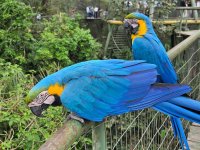
Bolivia

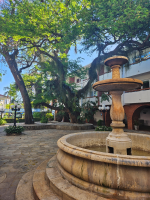
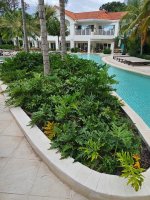
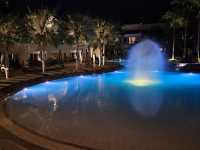
Sorry this took so long after the click bait post in the “what’s catching you fish” thread. I have a lot of excuses, but this is going to be too long already. I met my brother in law, Jim, in the Santa Cruz, Bolivia airport the morning of 22 August. The trip was mostly about fishing for golden dorado at Pluma Lodge. Jim and I decided to add a week on the front end. The trip consisted of a night in Santa Cruz at a very nice hotel with beautiful grounds.

1790181613284.jpeg 1790182302978.png

1790181613320.jpeg 1790181613348.jpeg
1790181753830.png 1790181765802.png

, 3 nights at Refugio Los Volcanes, 3 back at Los Tajibos, 7 nights at Pluma Lodge and one more night at Los Tajibos before flying home.

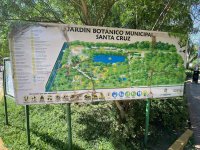
Santa Cruz doesn’t offer many tourist attractions. It does have nice restaurants at incredibly low prices (ribeye for $22), and we were told by some young German guys a very fun night life - probably not for a couple guys in their 50s. Two places we visited and enjoyed were Jardin Botanico Municipal Santa Cruz the day before heading to Pluma and Biocentro Güembé our last day in Santa Cruz.

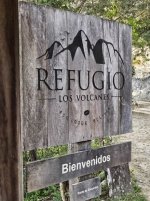
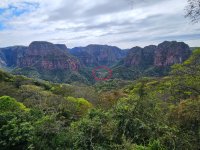
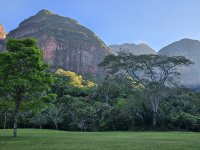
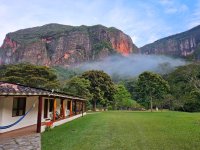
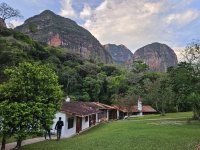
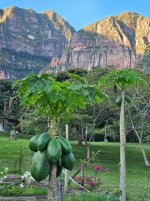
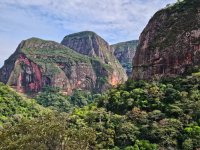
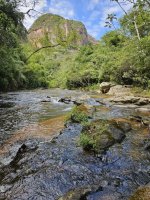
Refugio Los Volcanes far exceeded expectations. Refugio is an eco lodge in the middle of the cloud forest near Amboro National Park west of Santa Cruz.

1790181613378.jpeg
Refugio1.jpg
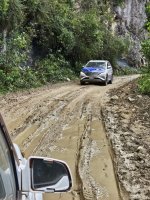
It isn’t easy to get there,

Refugio2.jpg

but once you are there, it has to be one of the most peaceful places on the planet.

Refugio5.jpg
Refugio3.jpg
Refugio4.jpg

1790181613451.jpeg 1790181613488.jpeg
 
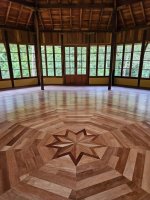
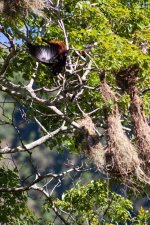
The day would start with a stretching session in the yoga studio while listening to the crested oropendolas and other birds on the property.

1790182534503.jpeg 1790182534513.jpeg
1790182562721.png
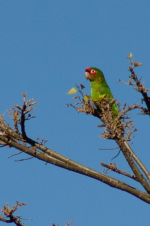
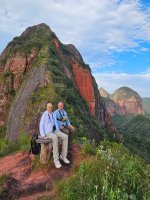
After breakfast we would do a guided hike that was focused on birdwatching and getting to areas with views of the surrounding mountains. After lunch (buffet style food for all meals)

1790182577687.png

was another guided hike in the forest.

Refugio13.jpg
Refugio14.jpg
Refugio15.jpg
Refugio16.jpg
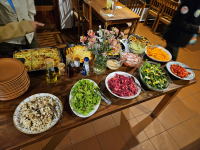
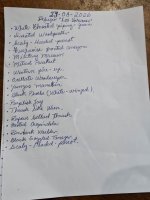
The food was great, the hikes were great, the bird and plant diversity were incredible and the staff were amazing. I can’t say enough good things about our experience. At dinner on our final night our guide, Rocky (he speaks good English and is the best birder I have ever met),

Refugio10.jpg

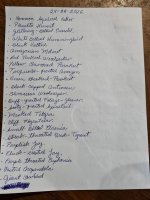
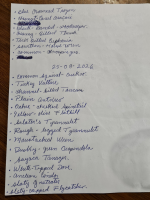
even presented us with a handwritten list of birds we had seen!

1790182534529.jpeg 1790182534538.jpeg 1790182614796.png

If you are going fishing in Bolivia and enjoy hiking/birdwatching at all, go early and spend at least 2 nights at this place.

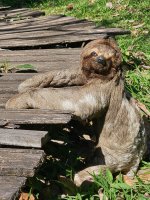
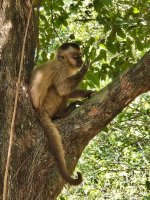
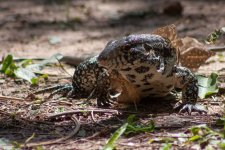
Our first day back in Santa Cruz was a relaxation day – we did visit a natural history museum that was not worth the $1.50 Uber ride. Friday, we went to the botanical garden and saw more birds, unique plants, a sloth, brown capuchins, caiman, tegus, capybara and many absolutely enormous pacu.

Jardin1.JPG
Jardin2.jpg
Jardin3.jpg

Jardin4.jpg

Next the fishing starts!
 
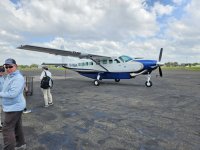
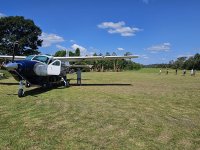
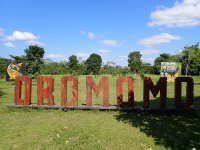
The trip to Pluma started on Saturday morning with a van ride from the hotel to a small airport for a 90 minute flight to a grass airstrip in Oromomo.

Pluma1.jpg
Pluma2.jpg
Pluma3.JPG

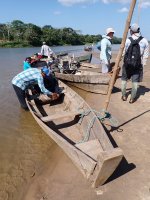
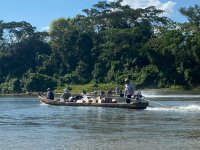
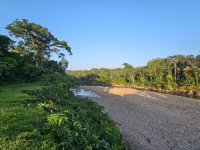
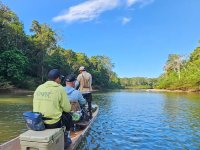
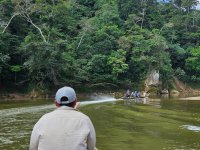
From there you walk down to the Secure River and take a boat ride (motorized canoes) upstream and make a left into the Pluma River. The boat ride is a wonderful way to start the trip.

Pluma4.jpg
Pluma5.jpg
Pluma6.JPG

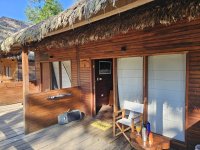
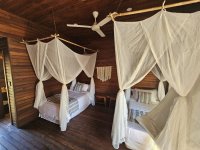
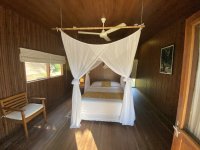
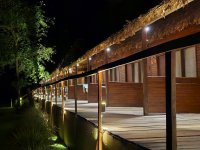
The lodge was built with lumber milled onsite. I wouldn’t call it luxurious, but pretty damn nice for being in the middle of the jungle. All these pictures were taken near the lodge.
Pluma7.jpg
Pluma8.jpg
Pluma9.JPG
Pluma10.jpg
Pluma11.jpg
Pluma12.jpg
Pluma13.jpg
Pluma14.jpg
Pluma15.jpg

My day would start as the sun was coming up around 6:15 with a walk around the property with the Merlin app open. Many more new birds vs. the cloud forest at Refugio. Here is a video of some blue and yellow macaws plus another unidentified parrot flying to the upper right.


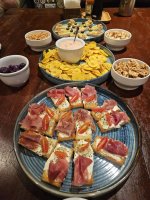
Coffee at 7:00, breakfast at 7:30, make a sandwich for shore lunch, guides check gear and tie new leaders at 8:15 then head out around 8:30. When you get back – 5:00 +/- and hour - they would bring you a small snack to your room, hors d'oeuvres at 5:30 and dinner at 7:00.

Pluma16.jpg
Pluma17.JPG
Pluma18.jpg
 
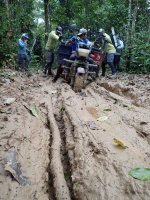
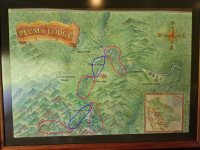
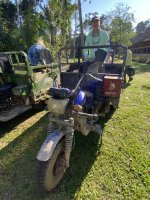
There are 5 main beats (non heli program) plus a 6th that is a longer walk before the fishing starts. Most end up repeating a beat instead of making the jungle hike. The two beats below the lodge are fished from the motorized canoes. The one directly above the lodge is mostly walking with a non-motorized canoe to get you through the longer pools and then float back to the lodge. The upper 2 are accessed by running/pushing these little motorcycle trucks through jungle roads - another adventure.
Pluma18.jpg
Pluma19.JPG
Pluma20.jpg

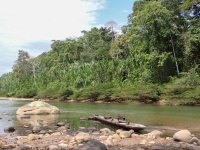
From there you walk the upper Pluma and have a canoe for the Itirisama River beat.
Pluma21.jpg

If you fish beat 6 – the upper Iti – you walk 45 minutes through the jungle before you start fishing.

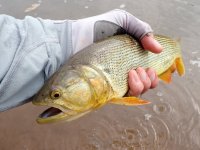
Day 1 for Jim and I was the Itirisama River. I got my first fish blind casting near a log in the Pluma just below the mouth of the Itirisama. This may have been the smallest fish of the trip!
Pluma22.jpg

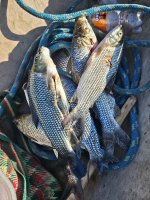
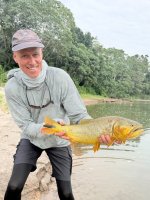
The next one was also blind casting in the confluence pool. It was a typical fish – maybe 5 pounds – by far the most frequently encountered size.
Pluma23.jpg

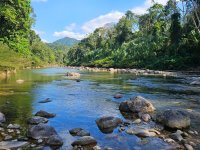
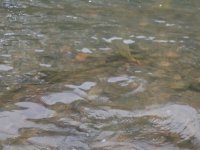
After turning up the Iti we did a lot more hunting. The river is clearer than the Pluma which is clearer than the Secure. None of them are as clear as a PNW trout stream, but the fish hunt in such shallow water there is a lot of sight fishing. Sometimes you can see wakes moving through a pool from 50+ yards away. The feeding frenzies are VERY easy to spot. You would think a bright yellow fish laid up in a foot of water would be easy to see. They are not. I was frustrated one day and asked the guide what he looks for. The key is the tail. The yellow tail does stand out when you have a profile view. However, a fish that is sitting in calm shallow water facing away from you is very difficult to see in my opinion – add riffled water and I have no idea how the guides and locals see them. I think I had an easier time with bonefish on Christmas Island. Here is a picture of a fish swimming away after being released - easiest thing to see is the yellow fins.
Pluma24.jpg

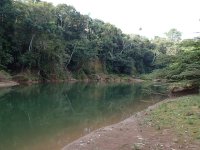
Back to fishing day 1. My best shot at a pacu came in some pocket water below a riffle around lunch time. Looking back, this first shot was by far my best opportunity. Most of the pacu we saw were in the slow pools.
Pluma25.jpg

In those areas it seemed like they were always on the other side of the river about 90 feet away and I can’t quite get it out that far much less hit a target that far out. These two fish were in easy range and feeding. The fruit/nut patterns are no longer allowed. Most of the time we fished small streamers or big terrestrials. You are supposed to hit them on the head to try to get a reaction eat. My best shot landed a couple feet above a fish. The big green hopper like thing floated right to it and I swear the fish gave it a kiss before refusing. One other time I only had my dorado rod and got a couple fish to follow but they wouldn’t eat the bigger streamer. Pacu are tough.

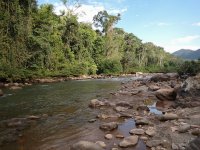
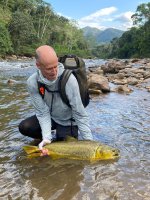
I lost track, but would guess I hooked a dozen dorado on day 1 and maybe landed 6 or 7. I hooked 4 in the last 15 minutes in this section of river. The last cast of the day to the pocket behind the big light colored rock about 1/3 of the way in from the right
Pluma26.jpg

resulted in my 2nd biggest fish of the trip – approaching 30 inches and maybe 15 pounds.
Pluma27.jpg

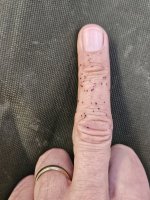
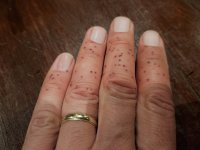
Most of us took malaria meds, but the "sand flies" were the only bighting insects I noticed. The only thing I noticed was the little blood blister type bite marks. Thankfully they didn't hurt or itch!
Pluma28.jpg

I thought the first day numbers were outstanding until we fished the Secure the next day. The Secure typically involves a lot of blind casting runs while standing in fairly heavy current. The farther you can cast the better. Having a huge loop of line stuck in the current results in many false casts to get the fly out there – at least for me. I have never come close to making that many false casts in a single day – especially with big flies on an 8wt. My right forearm was sore for a couple days after. However, Jim and I got extremely lucky and ran into two sets of fish actively feeding in shallow water. It wasn’t a constant feeding frenzy, but if you landed a fly near where the fish were holding/feeding, you were likely to get an eat on the first strip. I couldn’t keep track of how many fish we hooked – maybe approaching 20 each. No monsters, just a bunch of 3 to 8 pound fish. Some pics of my first fish of the day from Jim and some GoPro footage from the 2nd frenzy. By the time I thought to turn on the camera the frenzy was over, but the fish were still holding in the same area and very willing to eat. I planned to film a lot with the GoPro. However, as is usually the case you can't fish well and photograph well at the same time. I wasn't filming when the best action happened.
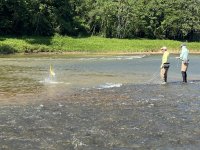
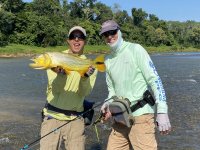
Pluma29.JPG
Pluma30.JPG


Day 3 was the lower Pluma – the beat between the Secure and the lodge. There was a big weather change – temp dropped 25 degrees, wind and a bit of rain mid-morning.
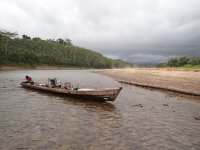
Pluma31.JPG

The guides thought it might get the fish really fired up, but the morning was tough. We got into some feeding fish in the afternoon, but this was probably the least memorable fishing day for us. One other group was further up and caught some pacu while it was raining fairly hard. I only one hero shot for the day of a slightly bigger than average fish.
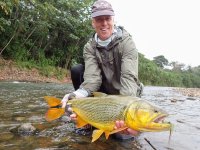
Pluma32.jpg

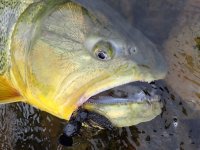
I do think these things have the coolest gill plate of any fish I have ever caught - looks like face armor!

Pluma33.jpg
 
What's the general cost for a trip like this? Probably 10k+? I've been talking about it for years but always seem to end up in Alaska instead for my fishing trips.
 
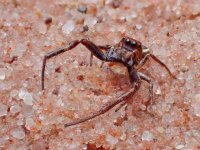
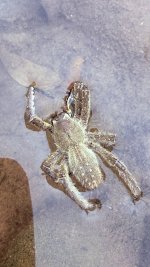
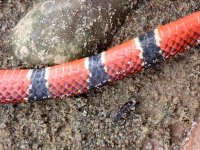
Day 4 was the middle section of the Pluma – above the lodge. Saw a cool spider and coral snake at the first stop. Both were dead - someone had smashed the snake's head so it wasn’t much of a threat.

Pluma34.jpg
Pluma35.JPG

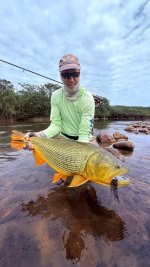
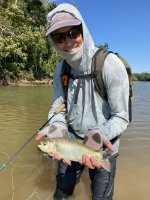
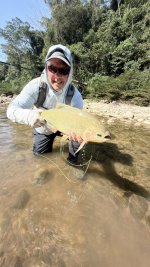
The most memorable part of the day was my biggest fish of the trip. As I started writing, I honestly couldn't remember much else from that day until I started looking at pictures and videos. I was fishing with one of the locals. We walked up a riffle, and he spotted several fish behind a rock in the tailout - these guys don't use glasses and see better than the guides. I made a poor cast, and they spooked a bit and didn’t eat. They didn’t leave the rock though. I was fishing a big gurgler the guide had given me. He said he liked them because you could cast above spooky fish and let it drift to them before stripping. Next cast I landed it 5 feet above the rock. As soon as it came over the rock, I gave it a tug and the surface exploded – will never forget that take. Not sure how many fish were competing for it, but a big one got there first. Most of them go airborne soon after you hook them. This one could only get her head out of the water on that first attempt. I will never forget seeing her head for the first time. You use a really long wire tippet because the other fish will bite your leader as you are fighting the fish – this happened to me on Day 3. At the beginning of the fight, the fish I had hooked was surrounded by other big fish. I was high sticking that thing as much as I could to keep the fluoro out of the water. Her head, surrounded by wannabe thieves, breaking the surface 20 feet in front of me is the third image that is burned into my brain. Normally you just strip these fish in because you have 40 pound and they really are not that strong. This one did get me on the reel. Once she was out in a bit deeper water, she was able to jump all the way out of the water – one of these is not like the others – she looked just massive. Won’t forget seeing that first true jump either. At this point the other fish had left, and I was able to lower the rod and landed her quickly. Amazing fish! Thanks Nico for the coaching on the hero shot!
Pluma36.jpg
Pluma37.jpg

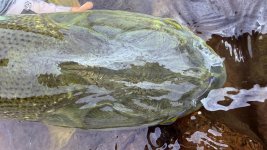
Even the top of their heads looks like plates of armor. I know it has a lot to do with the wide angle lens used for the shot, but look at the size of my thumb.

Pluma38.jpg

Jim had some crazy action in a couple spots. Here are a pair of videos from our guide @nicolas_gomez_lengyel – seriously good stuff on his Instagram.


And a clip I took of Jim casting from the canoe.


Video of one of the locals bow fishing sabalo (sorry, I was over the limit and this is the one I chose to delete - there are many better videos of them bow hunting on YouTube) - the main baitfish for the golden dorado - and the result.

Pluma40b.jpg

The day before we fished this stretch another group had 6 people in one of the little canoes (yes, they are made from a single log) and sank it going through a run. The guys had us get out for this one.


Day 5 was the upper Pluma. The fish were not super active early (doesn’t seem to be a reason to get out there early in the morning), but Jim got a 10+ pound fish mid day and we hooked many others. One bright spot for me was adding species 101 (yes, golden dorado was 100th species on fly!) to my list with this baby yatorana. I was hoping the numbers of yatorana were such that you could target them with lighter rods - they pull harder than dorado - the numbers in the rivers we fished are just not there. The lodge manager did tell us about a small creek that is slammed full of them and is a blast with a 4wt. If I ever decide to go back, that will be my day 6.

Pluma41.JPG

When we got back down below the mouth of the Itirisama, the bank of the Pluma was lined with cormorants – hundreds of them. We ended the day with one of the best feeding frenzies of the trip. Many many fish feeding in 6 inches of water. My GoPro was aimed too high, but that worked out for the walk towards the biggest frenzy (I was looking down at the rocks). You can see all kinds of fish busting in front of the birds. Once we got down there I forgot to start recording right away - you are just so stoked to cast into the mayhem. Glad I turned it on when I did cause we hooked 3 fish in 25 seconds soon after. You can hear me celebrate LDRing one after a couple jumps. The eat and the first few jumps are by far the best part of the fight. Sometimes I would intentionally try to shake them off after 30 seconds or so. As @johny_off said, what a way to end the day!


Day 6 was back to the Itirisama.

I sucked!

I couldn’t see the fish and I couldn’t put the fly where I wanted it. I think I was running out of energy – it is a physical trip with the heat (I struggled to sleep) and long fishing days. I probably blew more shots that morning than the rest of the trip combined. I eventually pulled my head out of my ass and landed a half dozen fish but, it was not how I wanted to end the trip. However, any day on the Itirsama River is special. Jim added a couple big yatoranas (casting at pacu) and the canoe ride out is as good as it gets.

Pluma45.jpg
Pluma46.jpg
Pluma47.jpg

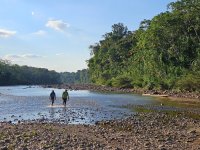
I felt like one of the luckiest guys on the planet as I took this picture of my friends Ryan and @juan.cuadrado walking back to the “trucks” at the end of the day.

Pluma48.jpg

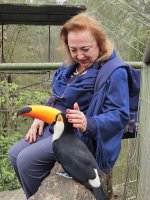
One more from the boat ride back to Oromomo, a couple from Biocentro Güembé and one to the sand flies to end the report.

Pluma49.jpg
Guembe1.jpg
Guembe2.jpg
Pluma50.jpg
 
What's the general cost for a trip like this? Probably 10k+? I've been talking about it for years but always seem to end up in Alaska instead for my fishing trips.
All in - flights, lodge, tips, insurance,... about $11.5k. That is just for the fishing part. Jim set up Refugio. I think he said it was $300 a night. The last place I went in Alaska was Grosvenor Lodge - very cool trip but not even in the same league as Pluma. A quick search suggests Grosvenor is now $10.7k just for the lodge. Absolutely no way I would go anywhere in Alaska - even the most plush flyout lodge - over Pluma unless the AK rate was less than half of Pluma.

Sounds like the price is going to increase quite a bit the next couple years. I wouldn't wait too long.
 
Back
Top