SFR Oregon Water shortage (NY Times)

Sorta fishing-related
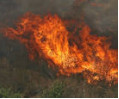
Here in Central Oregon drought winters always = a more intensive fire season due to a longer dry season.
And adds fuel to the ongoing conflict with a beef/hay industry demanding 'their' yearly historical water releases, which quickly lower the levels of lakes and rivers which are currently at typical higher spring levels.
This demand generates a direct conflict with Deschutes County recreation fishing tourism which drives an estimated 700M in revenue spread across the local economy, whereas the hay/beef industry only generates 30M in revenue.
So fishing has the financial impact, hay/beef the political clout due to long term political relationships and donations, and each year is a kabuki dance of local politics, small business owners and generational ranching influence.
Drinking water is not a current issue and for future needs there is an enormous, untapped underground reservoir below the Cascade mtns holding an estimated 21 trillion gallons, one of the largest such on earth.
Climate change will only accelerate and no matter where one lives it will influence and even dramatically change local conditions. If not by the weather itself due to being a less impacted location, than by population increase as folks move in fleeing from more impacted locations.
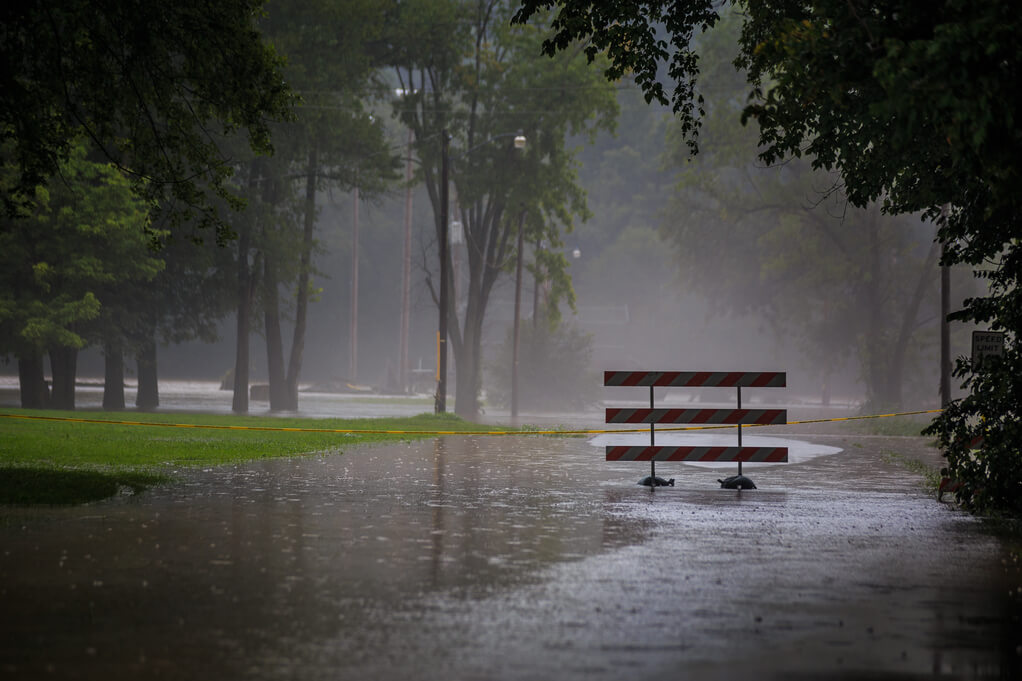
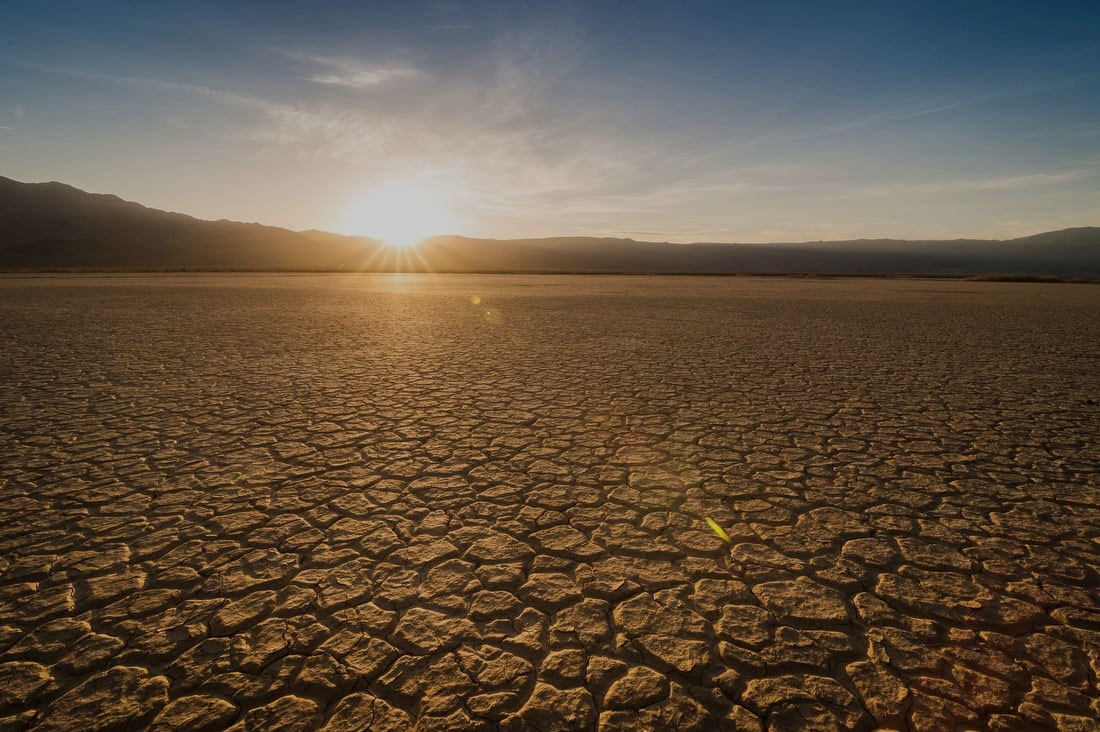
Drought, floods, hurricanes, tornado's...take your pick, plenty to go around.

 
I don't live in the PNW, so I have no way of knowing if the article is correct, or hyperbole

My understanding about the Cascade’s is it may not have much effect on this year’s reservoir fills (as the water seeps underground and then flows to the surface). However, the forests are tender dry from low rain fall; and the rains also help to fill streams and reservoirs each year (so, there’s that as well).

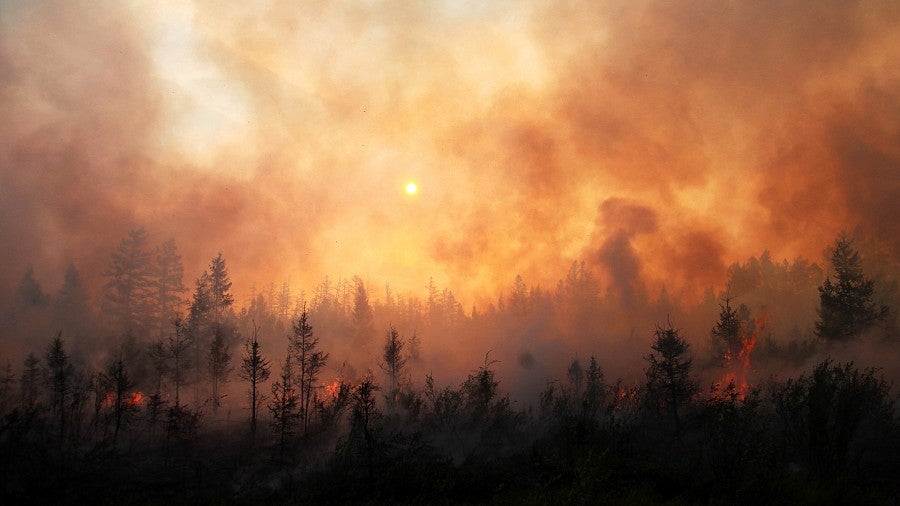
We’ve already had one prescribed burn break away into 3000+ acre blaze in central Oregon/Cascades. Let’s hope the “eco-crazies” don’t take advantage of the situation to start more.
 
Here in Central Oregon drought winters always = a more intensive fire season due to a longer dry season.
And adds fuel to the ongoing conflict with a beef/hay industry demanding 'their' yearly historical water releases, which quickly lower the levels of lakes and rivers which are currently at typical higher spring levels.
This demand generates a direct conflict with Deschutes County recreation fishing tourism which drives an estimated 700M in revenue spread across the local economy, whereas the hay/beef industry only generates 30M in revenue.
So fishing has the financial impact, hay/beef the political clout due to long term political relationships and donations, and each year is a kabuki dance of local politics, small business owners and generational ranching influence.
Drinking water is not a current issue and for future needs there is an enormous, untapped underground reservoir below the Cascade mtns holding an estimated 21 trillion gallons, one of the largest such on earth.
Climate change will only accelerate and no matter where one lives it will influence and even dramatically change local conditions. If not by the weather itself due to being a less impacted location, than by population increase as folks move in fleeing from more impacted locations.
Drought, floods, hurricanes, tornado's...take your pick, plenty to go around.
This seems to contradict the above to some extent

 
Here in Central Oregon drought winters always = a more intensive fire season due to a longer dry season.
And adds fuel to the ongoing conflict with a beef/hay industry demanding 'their' yearly historical water releases, which quickly lower the levels of lakes and rivers which are currently at typical higher spring levels.
This demand generates a direct conflict with Deschutes County recreation fishing tourism which drives an estimated 700M in revenue spread across the local economy, whereas the hay/beef industry only generates 30M in revenue.
So fishing has the financial impact, hay/beef the political clout due to long term political relationships and donations, and each year is a kabuki dance of local politics, small business owners and generational ranching influence.
Drinking water is not a current issue and for future needs there is an enormous, untapped underground reservoir below the Cascade mtns holding an estimated 21 trillion gallons, one of the largest such on earth.
Climate change will only accelerate and no matter where one lives it will influence and even dramatically change local conditions. If not by the weather itself due to being a less impacted location, than by population increase as folks move in fleeing from more impacted locations.
Drought, floods, hurricanes, tornado's...take your pick, plenty to go around.
wet springs=increased fuel load.

Not as simple as dry=bad fire year.
 

And these would seem to contradict the contradiction:


to site just a few...
 
And these would seem to contradict the contradiction:


to site just a few...
Indeed, when it comes to the so called “climate change crisis” there is no end to the scientific, social and political contradictions out there.
 
NoTricksZone is by an American expatriate living in Germany whose blog is dedicated to promoting skeptical views on mainstream climate science, so no surprise.

What happened in the past is irrelevant, we have to deal with the now of 8+ billion folks generating 50 billion tons of CO2 into our atmosphere year after year, creating the problem of refugee displacement.

"Estimates for the number of climate refugees in the future vary, with projections suggesting between 200 million and 1.2 billion people could be displaced by 2050 due to climate change, extreme weather, and rising sea levels. An annual average of 21.5 million people have been displaced by weather-related events since 2008."

Which leads to more immigration, increased financial burden on host nations, and increased social conflict = social polarization and political chaos which provides cover for the uber wealthy to manipulate laws and economies in their favor while the standard of living for the average citizen continues to slide down.

And that's the real cost of climate change.
 
NoTricksZone is by an American expatriate living in Germany whose blog is dedicated to promoting skeptical views on mainstream climate science, so no surprise.

What happened in the past is irrelevant, we have to deal with the now of 8+ billion folks generating 50 billion tons of CO2 into our atmosphere year after year, creating the problem of refugee displacement.

"Estimates for the number of climate refugees in the future vary, with projections suggesting between 200 million and 1.2 billion people could be displaced by 2050 due to climate change, extreme weather, and rising sea levels. An annual average of 21.5 million people have been displaced by weather-related events since 2008."

Which leads to more immigration, increased financial burden on host nations, and increased social conflict = social polarization and political chaos which provides cover for the uber wealthy to manipulate laws and economies in their favor while the standard of living for the average citizen continues to slide down.

And that's the real cost of climate change.
Ya but, ya but. I can hear it now.
 
Lol
Notrickszone...
🤪
 
You're seeing guys in DEEP DESERT VICINITIES investing in Bulk Water. Then when neighbors run out they charge a premium because people are FORCED to buy!!! You can be very successful if you figure out a way to FORCE people to PAY.
 

For those that want to learn why I said what I said😀

Unfortunately we have had a warm wet "winter" so the grass and shrub grow season started way ahead of time. Now we are getting the dry heat early. So we are looking at a longer fire season with extra fuel loads.

Fishing related: Non-tailwater rivers are going to get low and warm early. Hopefully the fish and game departments keep an eye on this with Hoot Owl restrictions as a tool. We as anglers need to be extra vigilant in our fishing decisions.
 
Unfortunately we have had a warm wet "winter" so the grass and shrub grow season started way ahead of time. Now we are getting the dry heat early. So we are looking at a longer fire season with extra fuel loads.

Fishing related: Non-tailwater rivers are going to get low and warm early. Hopefully the fish and game departments keep an eye on this with Hoot Owl restrictions as a tool. We as anglers need to be extra vigilant in our fishing decisions.
I understand that. My response was directly related to this comment, "Here in Central Oregon drought winters always = a more intensive fire season due to a longer dry season. "

I was simply trying to say there are variables. It's not all cut and dry.
 
a wet spring in the Cascades is just the continuation of a low snowpack winter generated by higher temps continuing to convert precip loaded weather systems into rain instead of snow. We had more rain this winter thru early spring than I've ever seen in the Cascades, when we had a 16" dump of snow above 6,000' in early April we got an inch of rain at 5,000'.
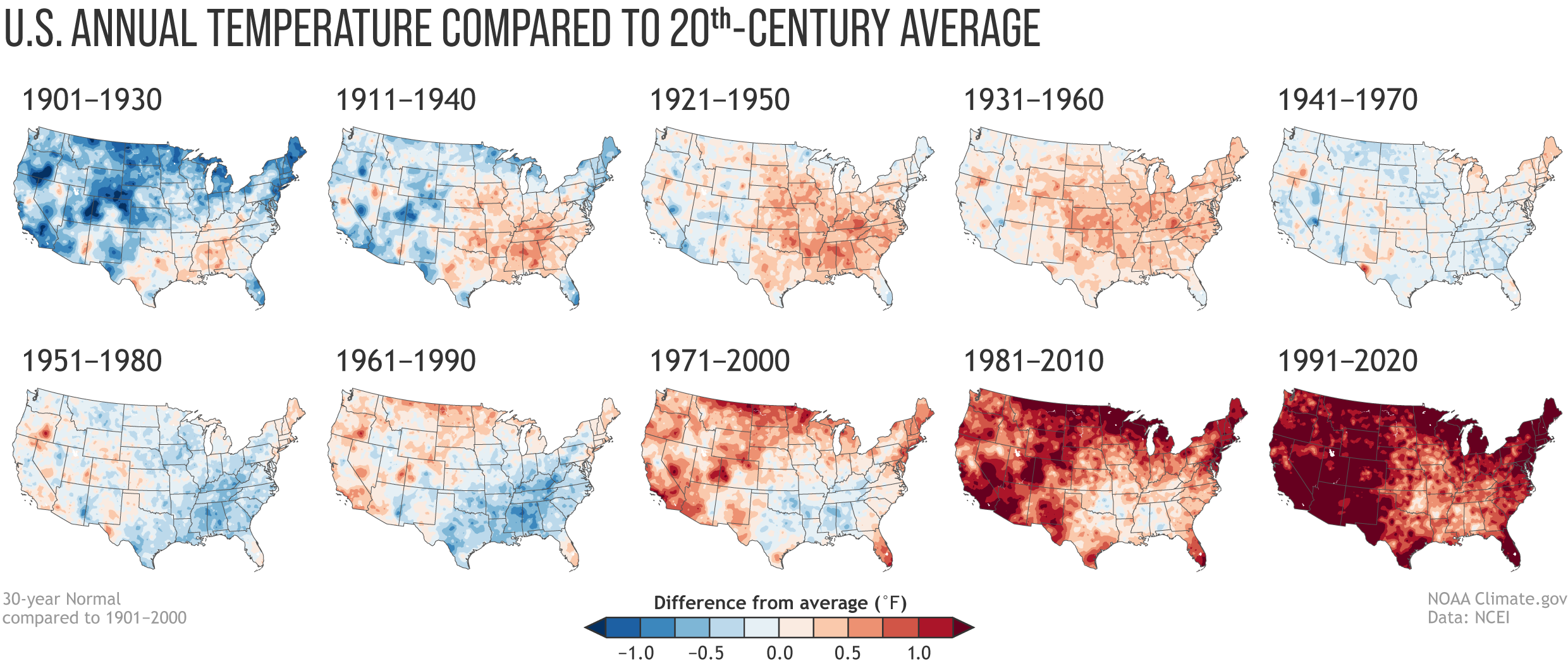
Drop the average temp we had this winter, which was 6 to 8 degrees above normal, and we would have had an average snowpack.

"Based on data for the 2025–2026 season, Oregon tied its warmest winter on record (December–February), with an average temperature of 38.7°F, matching 1934. Deschutes County experienced this trend with exceptionally warm, record-breaking high temperatures in December, including several days in the 60s Fahrenheit (F), and consistently high temperatures through the season."

As to the fuel ladder, whereas wet springs definitely generates more flammable underbrush, the major fuel source is from diseased trees dried out from droughts.
Droughts create a "triple threat" to forests by directly dehydrating trees, fostering pest infestations, and raising flammability, which significantly increases wildfire risk. Stressed trees lose water, dry out, and become susceptible to fatal pests and diseases, accumulating large amounts of dry, fuel-heavy wood."
 

Attachments

  • 1778633559658.png
    1778633559658.png
    27.6 KB · Views: 3
Supposed to float the JD end of May - start of June. The NOAA water prediction center is showing around a 10% chance of drift boatable levels. Not looking good ( not that my recreation matters much in the grand scheme of this conversation).
 
Just remember… if you truly believe that it is a crisis… please stay home and do your part to reduce carbon emissions… being an altruistic humanity-centric flyfishing dude, I will post some photos from my upcoming summer trip for your enjoyment… political statements aside… going to be a tough summer.
 
And these would seem to contradict the contradiction:


to site just a few...
I don't think they contradict each other.
One is looking back to 1100 AD. The others are focused on more recent times (1850 was the furthest back date I saw, but most of those are looking at 1900 - present). They could be totally corroborating each other.
 
Supposed to float the JD end of May - start of June. The NOAA water prediction center is showing around a 10% chance of drift boatable levels. Not looking good ( not that my recreation matters much in the grand scheme of this conversation).
the river is on the way down. if u will be using small cats or lite rafts - it should be ok with your timing. my alum. driftboat got a few new stripes on the bottom this past week.
 
Back
Top