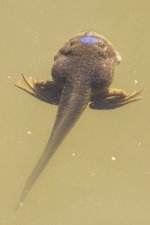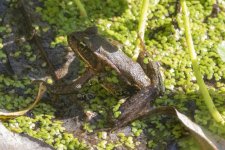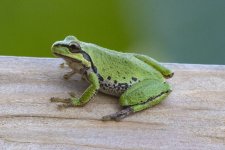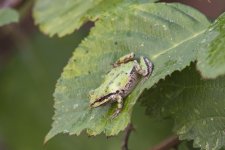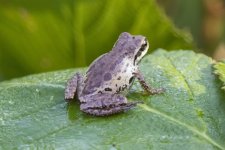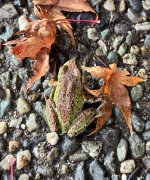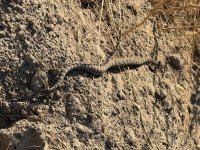
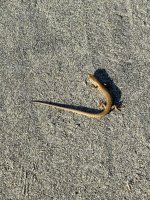
Saw this large fellow in Idaho this week.

Follow along with the video below to see how to install our site as a web app on your home screen.
Note: This feature may not be available in some browsers.

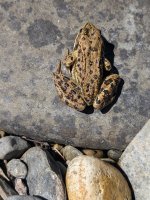
Also chytrid fungus is a major threat with potential to affect all our native amphibian species, and has been noted as an increasing issue in Washington State.While the population is stable in Washington, their numbers appear to be declining in Oregon and British Columbia. Populations of the Northern red-legged frog are likely facing many of the same issues as those of the threatened California red-legged frog, R. draytonii: habitat loss / alteration by humans and competition / predation from introduced species, especially bullfrogs.

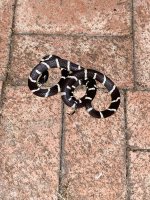
That rhyme is frowned upon by experts due to some color variations. I still use it. The coral snake has a small mouth and it’s hard to get bitten by one. They are also very secretive, I’ve never seen a live one and only one dead one in a jar and I’ve spent 30+ years and many hundred hours out in coral snake habitat. By the way, Florida has 44 native snake species and only six venomous snake species. There is an average of300 venomous snake bites yearly with zero fatalities. The last fatal one I know was a child helping his grandfather in their garden, he was bitten by a timber rattlesnake. That bite happened 12 years ago. Virtually all venomous snake bites occur from folks either trying to kill, move or “Here, hold my beer and watch this” situations.See here for the rhyme
Red Touch Yellow - Kills a FellowRed Touch Black - Venom LackYellow Touches Red - Soon You'll Be DeadRed Touches Black - Friend of Jackand its explanation. This snake with a red snout (versus a black snout in a coral snake) is a gorgeous scarlet kingsnake / scarlet milkshake.
Steve

Absolutely beautiful. Great shot.Norhern rubber boa in Cle Elum....first one I've ever seen.


 www.king5.com

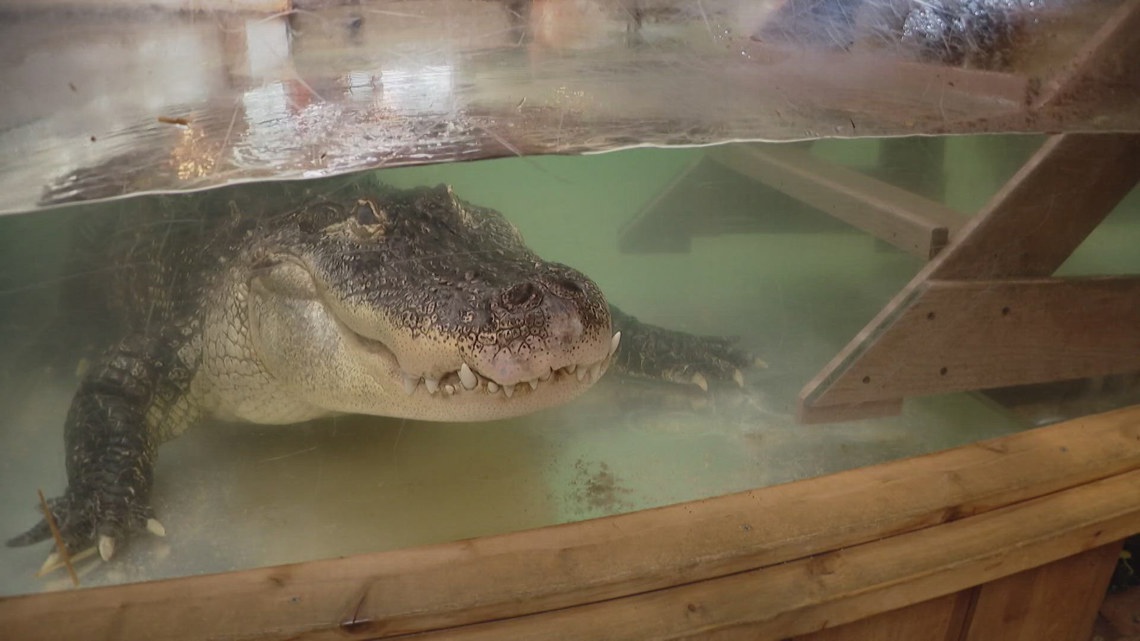
Dang, such a bummer, that place was super cool(and I hate snakes). I remember his Dad, the reptile man, coming to give presentations when I was in school way back when. Took my oldest son there, who is now 15, on his 4th birthday and he's had the reptile bug ever since. He's been taking a college level on-line herp course over the summer, what a nerd!, and I was eaves dropping on him during the first lecture and all the students were going around introducing themselves and he says "hey I'm so-and-so and I'm 15...blah, blah, blah" and the professor said "wait, what? Are you serious?", pretty funny. Hope the owner attempts a go-fund-me or something, would like to see that place stick around.The Reptile Zoo in Monroe is closing in October.
Landmark 'Reptile Zoo' to close citing economic impacts
The Reptile Zoo in Monroe faces closure unless rescued from financial challenges exacerbated by the pandemic.

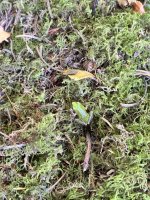


Looks like Western Toad, right? Always good to see thriving native amphibians. Those are vulnerable to chytrid fungus and considered by WDFW to be a “Species of Greatest Conservation Need.”On my hike today, there we're lots of these guys
View attachment 168255
At some points they were so thick on the trail it was like playing inverse frogger
No idea, they were really small, about the size of a cherry tomatoLooks like Western Toad, right? Always good to see thriving native amphibians. Those are vulnerable to chytrid fungus and considered by WDFW to be a “Species of Greatest Conservation Need.”