Navigation
Install the app
How to install the app on iOS
Follow along with the video below to see how to install our site as a web app on your home screen.
Note: This feature may not be available in some browsers.
More options
Style variation
You are using an out of date browser. It may not display this or other websites correctly.
You should upgrade or use an alternative browser.
You should upgrade or use an alternative browser.
Strange, weird or odd or whatever beach finds thread….
- Thread starter Stonedfish
- Start date

FerrousTortoise
Steelhead
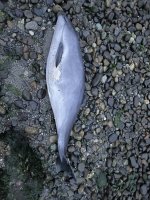
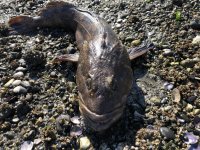
I thought this was a seal. This guy was much smaller than I thought they would be.

??View attachment 83590
I thought this was a seal. This guy was much smaller than I thought they would be.

@FerrousTortoise a small harbor porpoise right? Wonder what killed it.
FerrousTortoise
Steelhead
I thought this was a seal. This guy was much smaller than I thought they would be.
It is indeed a harbor porpoise. You should report it to the strandings network, there is rather a lack of bio data on harbor porpoise, and some can be gathered from a freshly dead one.

West Coast Marine Mammal Stranding Network
To report a dead, injured, or stranded marine mammal along the West Coast, please call: 1-866-767-6114.
Good to know the number thank you, I’m adding it into my phone.It is indeed a harbor porpoise. You should report it to the strandings network, there is rather a lack of bio data on harbor porpoise, and some can be gathered from a freshly dead one.
West Coast Marine Mammal Stranding Network
To report a dead, injured, or stranded marine mammal along the West Coast, please call: 1-866-767-6114.www.fisheries.noaa.gov
FerrousTortoise
Steelhead
Thanks for the number, that is useful. I am pretty sure someone did call it in, from what I heard.

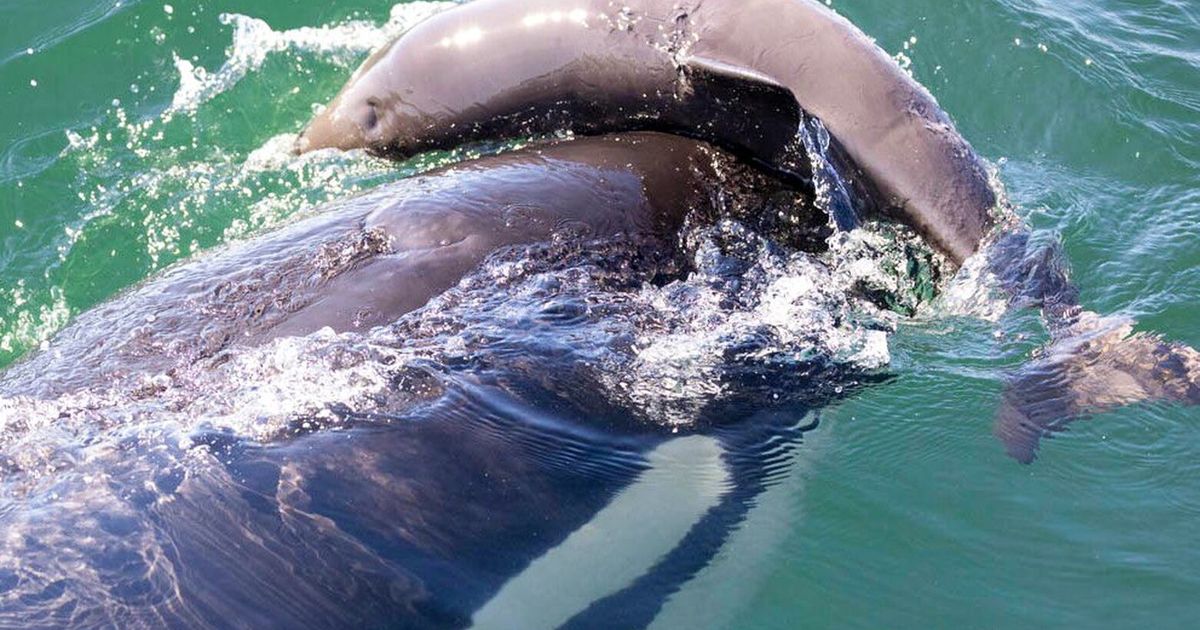
Puget Sound orcas beat up and even kill porpoises, new research reveals. But why?
A study published this week collects documentation of southern resident orcas roughing up and killing local porpoises. Scientists have a few theories as to why.
 www.seattletimes.com
I think this is the answer to the question:View attachment 83590
I thought this was a seal. This guy was much smaller than I thought they would be.
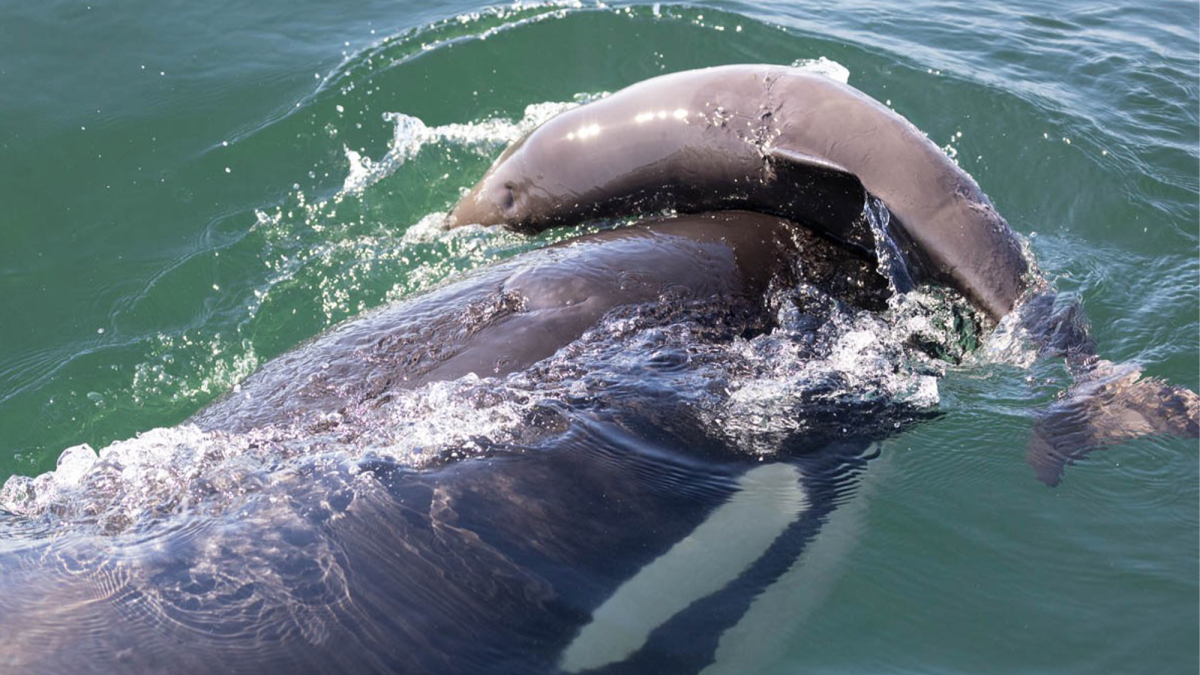
Why are these orcas harassing porpoises? Scientists have 3 theories.
Scientists have 3 theories.
 www.popsci.com
Oops, just found that RCF posted roughly the same article.


What's more rare is I'm at a loss for words!  I've got Nuthin!
I need help formulating a witty comeback.
Wait...how about this?
@Stonedfish who wears sunglasses in the dark before the buttcrack of dawn,
this morning when he realized he left without his sunglasses.
I've got Nuthin!I need help formulating a witty comeback.
Wait...how about this?
@Stonedfish who wears sunglasses in the dark before the buttcrack of dawn,
this morning when he realized he left without his sunglasses.
Last edited:
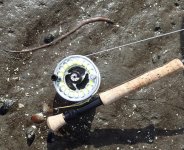
@DimeBrite found this marine worm today.
Fly rod next to it for size reference. Looked about a foot long.
@Cabezon any idea what type of worm this is?
Thanks,
SF
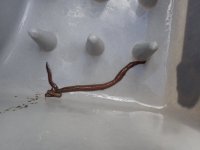
Fly rod next to it for size reference. Looked about a foot long.
@Cabezon any idea what type of worm this is?
Thanks,
SF


Hi SF,@DimeBrite found this marine worm today.
Fly rod next to it for size reference. Looked about a foot long.
@Cabezon any idea what type of worm this is?
Thanks,
SF
View attachment 84230View attachment 84231
I do not see any evidence for segmentation in your two pictures. That rules out Annelids (segmented worms: leaches, polychaetes (sea worms), or oligochaetes (earthworms). I think that it is a nemertean or ribbon worm (see here). Unlike nematodes (and annelids too) which have stiff bodies, those of the nemerteans are more flexible (and floppy). We have several local species. My best guess is that it might be Basiodiscus princeps. These are generally predators; some feed on polychaetes. And they appear to be chemically-defended against most possible predators.
Steve
Last edited:
Hi SF,
I do not see any evidence for segmentation in your two pictures. That rules out Annelids (segmented worms: leaches, polychaetes (sea worms), or oligochaetes (earthworms). I think that it is a nemertean or ribbon worm (see here). Unlike nematodes (and annelids too) which have stiff bodies, those of the nemerteans are more flexible (and floppy). We have several local species. My best guess is that it might be Basiodiscus princeps. These are generally predators; some feed on polychaete. And they appear to be chemically-defended against most possible predators.
Steve
Steve,
As always, I very much appreciate your knowledge.
SF
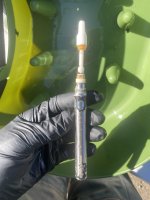
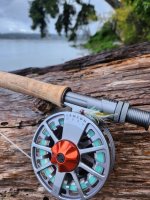
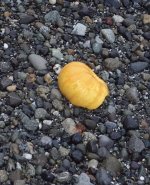
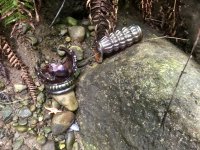
Maybe the owner dropped the bong in fright, when they saw that little orange dinosaur.
Well Phil….back in the day.

Being old, I have enough things these days to make me hungry and sleepy.

SF