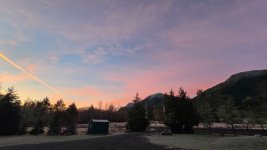
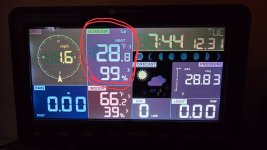
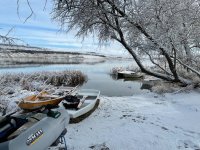
There's a lotta winter left, folks. Since I don't have to shovel rain, I'll be happy for now with a pretty good snowpack and moisture, though I do note it's now normal because of (1) a big storm the week of November 19 which brought significant rain, and 2) this last set of storms around Christmas. It's always been interesting to me how a set of storms a few days long (or an abnormally dry spell a few days long) change the annual curves over here on the dry side.
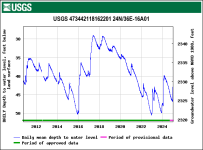
And with all due respect to Dr. Mass, his trepidation about the drought monitor seems pretty rooted in Central Washington agriculture alone, the vast majority of which is irrigated. Irrigated guys (and especially those inside the Columbia Basin Project area) don't care, they gonna get theirs. Dryland ag, wildlife, and public water supply systems reliant on groundwater know drought when they see it, and the current monitor does not reflect the November 19 storm recharge event. That water is only now beginning to show up in shallow aquifers. Thus, there's only now beginning to be information to see if the shallow aquifer system can gain some ground to recover from the lows of 2022-2024. We'll need a few more big wet storms on thawed ground to get there this year, IMHO.
As usual, I tend to wait to panic until March 1, when the temperature is usually moderate enough to stand outside, drink beer, shout and wave my arms. That way I don't break anything.
Cheers! Happy New Year!