A few years back 2014-2015 or so
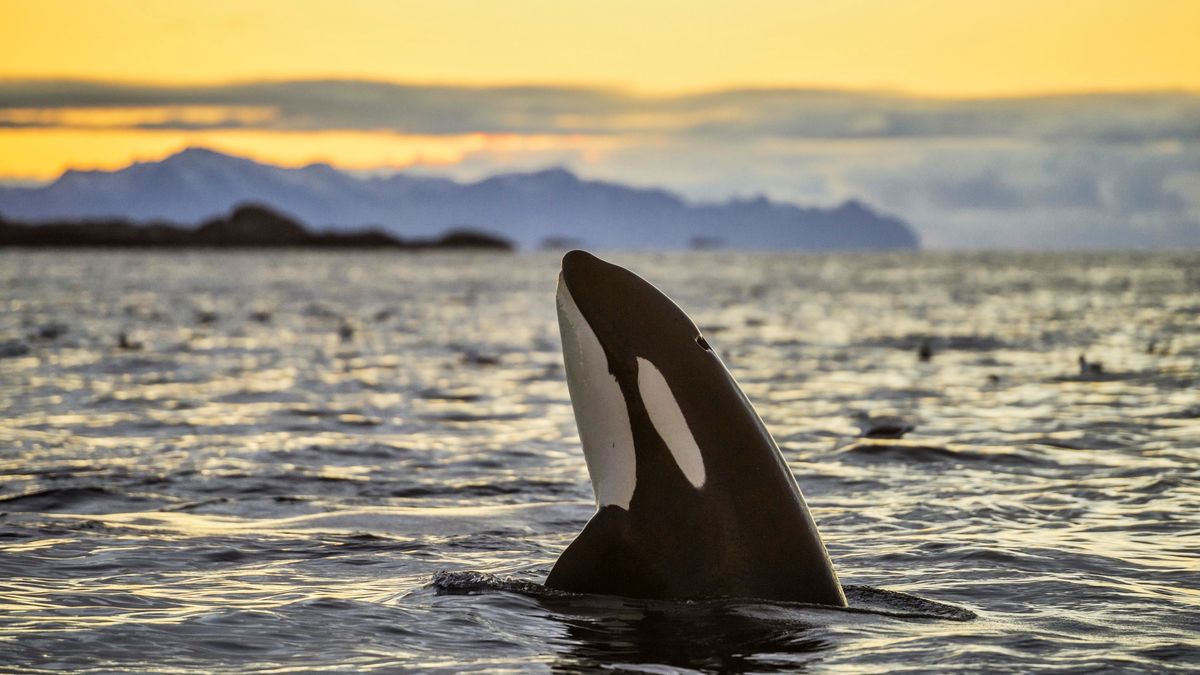
@Nick Clayton and I were standing over knee deep at PnoP when a Orcs cow and a baby swam by. All I could see was a big ass fin within casting distance. All I could thank of was get out of the water. Nick did get a pic with his iPhone but I can’t find it maybe he will post the pic. When something with a young that big is that close all I could see was that clip of Orcas swimming up the beach to grab a seal then return to the sea and play with it before eating it.
One complicating factor in determining "risk" is which
species / subspecies of orca / killer whale one is encountering. A Southern Resident Killer whale will steal your salmon, while the Bigg's killer whales might fancy the harbor seals that are competing with you for salmon at PNP. The large pods (L pod has 35 members) of the Southern Resident Killer Whales are exclusively salmon predators, especially chinook (and chum in the fall). But the smaller pods (typically 4 maximum) of Bigg's killer whales (aka transients) are marine mammal predators, especially seals, sea lions, and porpoises. The transients will cruise the beach hoping to intercept an unwary harbor seal. A third PNW ecotype, the
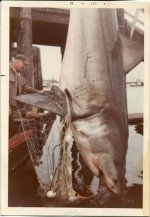
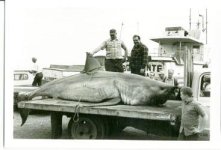
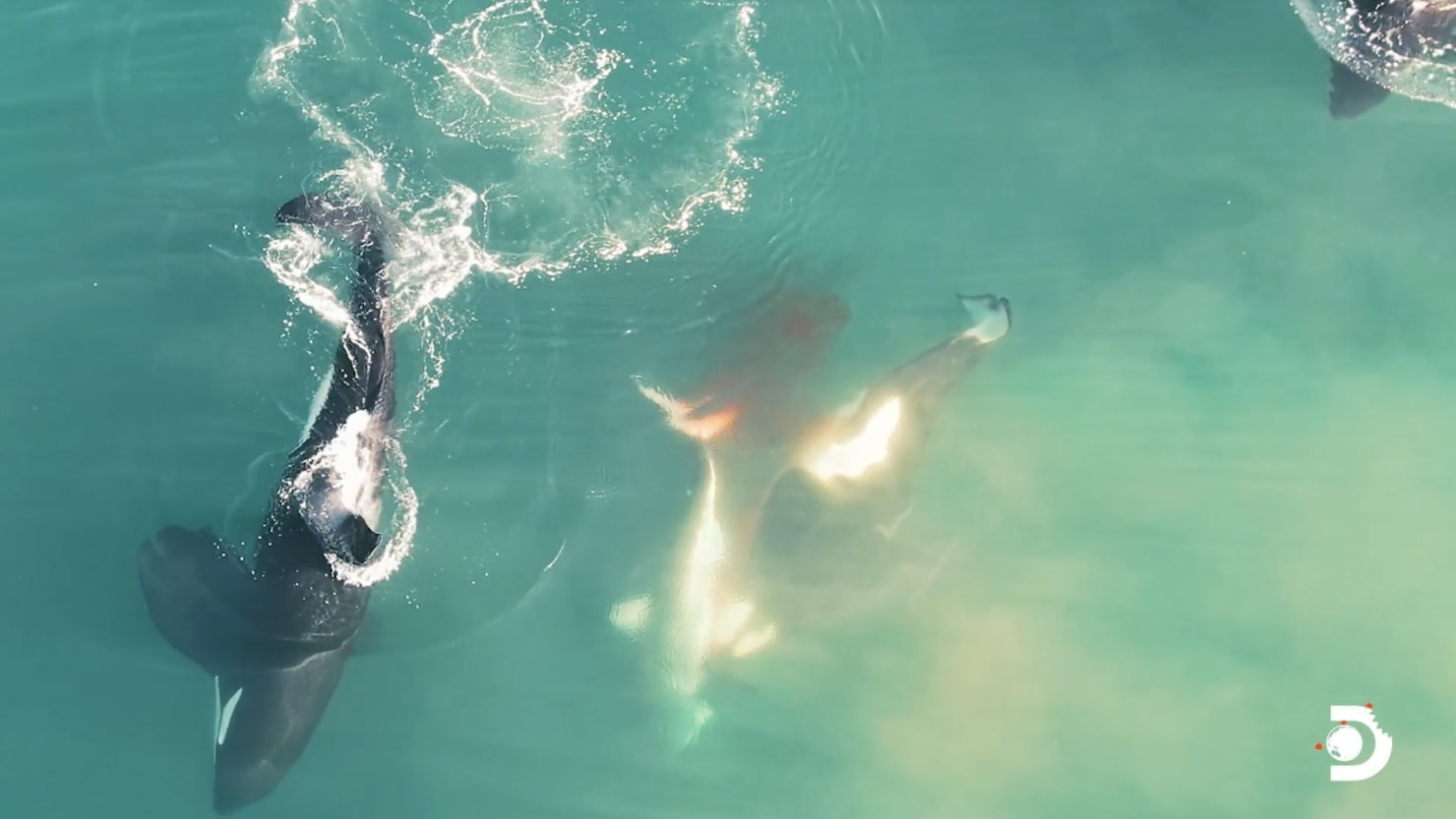
offshore killer whales, are known to feed on sharks (and halibut); like the South African killer whales that have been chowing down on the livers of great white sharks, the PNW offshore population also feed on shark livers. In other parts of the world, killer whale specialize on other food sources as well; in the North Atlantic, some populations specialize on herring.
These ecotype differences might be an example of sympatric evolutionary speciation in action, a generalist species splitting into new specialist species, or simply reflect the importance of learning local hunting techniques that are passed down from mothers to offspring in the matrilineal pods. And there is some evidence that killer whales can exploit relatively novel food sources. For example, in the 1990's, it was
reported that a small group of killer whales in the Aleutian Islands of Alaska had been chowing down on sea otters and there are the recent reports of killer whales feeding on the livers of great white sharks off South Africa (and therefore the great white sharks leaving the area) which
@t_law cited above. There are some minor anatomical differences among ecotypes (could be genetic, could be environmental) and there are some genetic differences that indicate some level of reproductive isolation (but not complete) over the last 150,000 years. As you can read in this
paper, the genetic history of the various ecotypes is complicated and not necessarily consistent based on which part of the genome you analyze or which techniques you apply.
Steve