Saving the Kelp in Puget Sound

Homer is not in SE AK, and there are comparatively few otter in Lynn Canal - where Haines, the city mentioned in the article is located. There IS an abundance of commercial dungeness crab fishers who hoover up a bunch of crab.

There is a growing body of evidence around the cascading (and trailing) effects of sea star mass wasting, urchin proliferation, and kelp "deforestation".

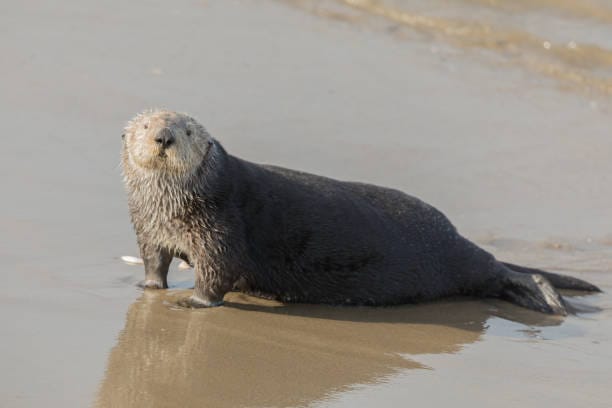
At the risk of poking the bear (or otter, in this case), humans are only concerned about otter depredation where they themselves have displaced the otter and taxed shellfish and echinoderm stocks to their limits.
 
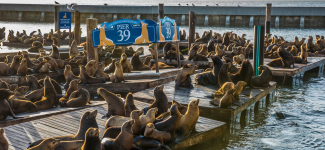
I know Homer is not SE Alaska, my daughter graduated from Homer High school in 2009. She still has friends she communicates with up there and now they are on the fishing boats. Otters will be the second mammal that the MMPA has protected and has gone into a population explosion. Think California Sea Lions and Eastern Stellar Sea Lions that are 140+ miles inland eating and killing already endangered populations of Winter Steelhead and Willamette/Clackamas Chinook. The whole Columbia River system has stopped fishing sturgeon (except for a few days a year) because of the predation from Eastern Stellar Sea Lions.
 
I am truly grateful for the information shared in this thread. Especially the link provided by JudyM. It appears that I am not the only one that views Sea Otters as a very destructive species that should be viewed as such.
 
G-Smolt, respectfully, I am a human and I am concerned about otter depredation. Not because I have personally taxed the shellfish and echinoderm stocks to their limits...but because the reality of the situation is that we humans have indeed "taxed" those resources to the extent that "otter depredation" would be (and has been) the final nail in the coffin. I will repeat... the final nail.
 
Last edited:
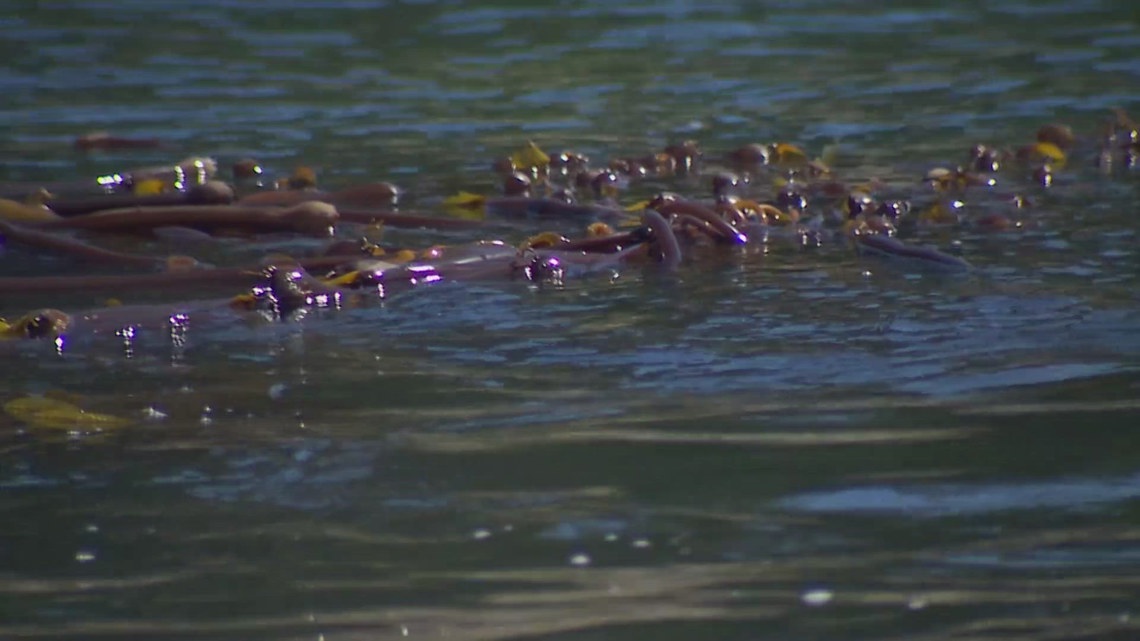
I would like to apologize for my part in derailing this thread. The OP addressed the issue of "Declining Puget Sound kelp". IMHO, this issue is extremely significant. Kelp forests seem to come and go, Macro, Bull, Elkhorn, Boa, etc.. Historical arial photographs can be studied to look for patterns.. Much of the west coast kelp beds are not looking good. Thankfully, from what I have seen in the San Juans, the kelp is doing fine. I like "kelp growth".
 

Picked this one because it is most recent "July 2025". I do know people who destroy their own houses, property, environment, for countless reasons. You know, "people" the beings that are different from beasts because they have the capacity to reason.
 
I urge any one interested in this discussion to read the link in post #3.... Then read the link in post #15. I noticed that in the link in post #15, that there was absolutely NO mention of any possibility of any "adverse effects", from Sea Otters. It was the classic example of a Sea Otter "puff piece". It would have the reader believe that all the creatures in the kelp bed would rejoice and prosper with Otters to their rescue. Let's take a vote..crabs, urchins, sea cucumbers, clams, mussels, lobsters, fin fish, and of course abalone. They all voted "HELL NO".
 
The balance of nature was far different before mankind entered our west coast. Who knows how many sharks were eating how many otters? From the very start,,,,, humans, living in the western hemisphere, began to control Sea Otter populations. To this day we have laws regarding "Otter Free Zones".

 
To this day we have laws regarding "Otter Free Zones".
Really...I thought they've been gone for years.

AI Overview
"Otter Free Zone" laws in the U.S. do not exist today. Federal courts terminated the last such zone in Southern California in 2017. The original "no-otter" zone was created in the 1980s and was controversial from its inception.


Otterpopcorng.webp
 
Back
Top