
Navigation
Install the app
How to install the app on iOS
Follow along with the video below to see how to install our site as a web app on your home screen.
Note: This feature may not be available in some browsers.
More options
Style variation
You are using an out of date browser. It may not display this or other websites correctly.
You should upgrade or use an alternative browser.
You should upgrade or use an alternative browser.
Mushroom and other wild edible foraging
- Thread starter SilverFly
- Start date


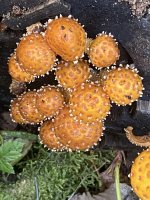
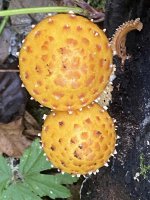
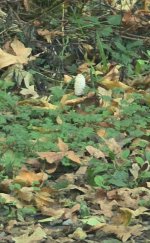
I don’t mess with them, but it’s Amanita Muscari time on my local haunts 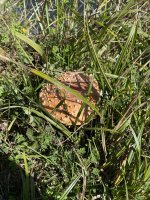

They look so tasty, like a freshly baked muffin. Can't remember if that one is a liver transplant, or just a horrible psychotic trip.I don’t mess with them, but it’s Amanita Muscari time on my local haunts View attachment 194132
The latter, but I would imagine the former is an option if done incorrectly.They look so tasty, like a freshly baked muffin. Can't remember if that one is a liver transplant, or just a horrible psychotic trip.
I have been out on hikes, seen fresh whole Aminita Muscari, and on the way back they have been partially eaten! Rodents of some kind it looked like to me.


Jim in Anacortes
Life of the Party

Bambooflyguy
Legend
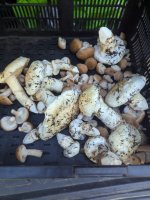
Surprised….didn't think there’s been enough rain.some pines and honeys from the other day.
I'm up in the kootenays, so far a fantastic fall for mushrooms, especially pines. the season got saved by a solid few days rain in September.Surprised….didn't think there’s been enough rain.
Bambooflyguy
Legend
Thanks for the info, still too dry here. Enjoy hunting for them, never been able to eat them! Family and friends benefit…..I compare it to fishing, trolling around the woods looking…..
Jim in Anacortes
Life of the Party
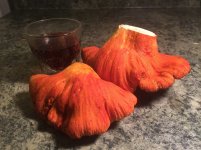
Chantrelle's are ohhh so good.... soup, omelettes, Pizza ..whatever...but dang... those Lobster Mushrooms...cooked with butter.. kick ass. So tasty, so chewy, so full of flavor...IMHO they are like the "bacon" of the mushrooms.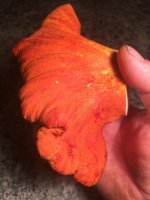
Jim in Anacortes
Life of the Party
Three to ten days after the first real rains hit Mt Baker is when I have found shrooms.
I am not an expert or professional, but I know something about this.
I head out on Hwy 20 East, into the mountains.
This is where the fun starts. Look for sunlit areas in the dark woods. Look for any and all mushrooms, as they are a good sign. Get off any trail and venture into the forest. This is where you will find them.
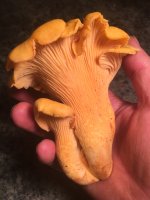
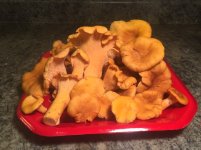
Chanterelles ,, like golden gems. So easy to identify. Cut them with a knife, fill a bag. Then look closer for the Lobster mushroom.
Always be keen to other mushroom hunters leavings.. this is key. If you see shavings of Lobster Mushrooms at the parking lot...you know that you are in the right place.
,
I am not an expert or professional, but I know something about this.
I head out on Hwy 20 East, into the mountains.
This is where the fun starts. Look for sunlit areas in the dark woods. Look for any and all mushrooms, as they are a good sign. Get off any trail and venture into the forest. This is where you will find them.
Chanterelles ,, like golden gems. So easy to identify. Cut them with a knife, fill a bag. Then look closer for the Lobster mushroom.
Always be keen to other mushroom hunters leavings.. this is key. If you see shavings of Lobster Mushrooms at the parking lot...you know that you are in the right place.
,
Jim in Anacortes
Life of the Party
I will add ..there are many edible mushrooms available for harvest, and all are very delicious. The list is long.. and most worthy of study. But for me... this time of year... it's all about the Chanterelles and Lobsters.
After a good rain soak... it's like an Easter egg hunt in the deep forest.
After a good rain soak... it's like an Easter egg hunt in the deep forest.
Jim in Anacortes
Life of the Party
And I always enjoy looking at the other mushrooms. "Chicken of the woods" for example.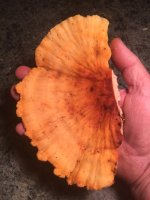
Jim in Anacortes
Life of the Party
This mushroom is edible and it does taste like chicken. But it lacks in the gourmet food category of the Chanterelle and Lobster.