I have no objection to any particular technology - but whenever I read these discussions I can't help but wonder if we've become so accustomed to affordable, reliable, abundant energy and a stable grid that we've completely taken them for granted, and forgotten how dependent our civilization is on them.
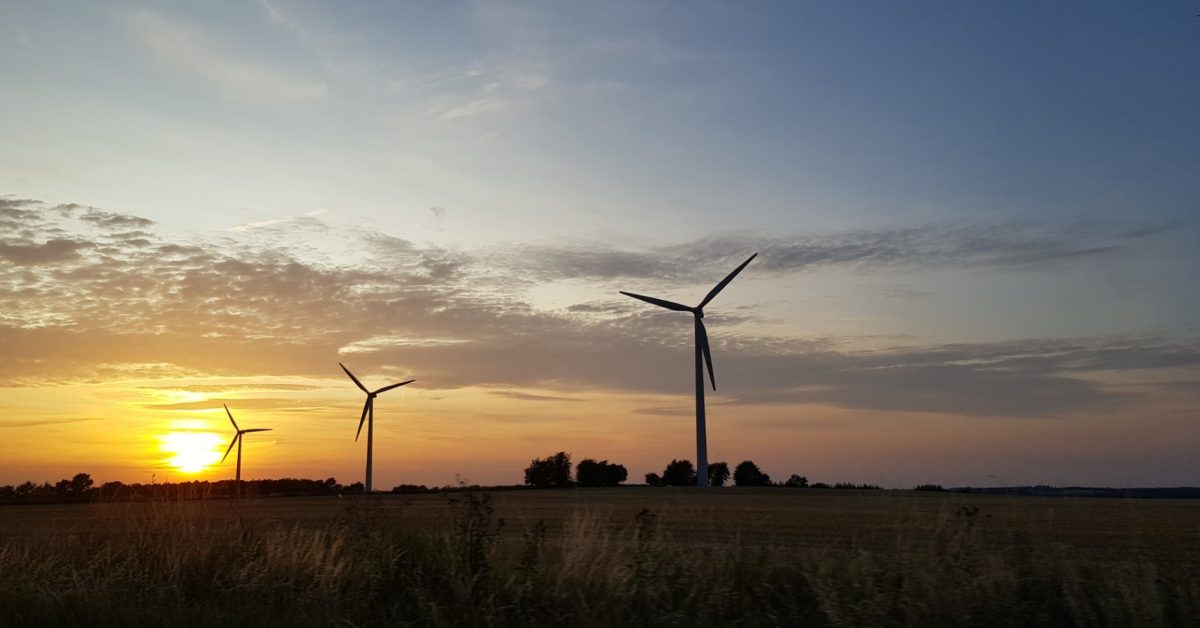
In the case of wind and solar - as things stand now - they require roughly 100% backup. In ~90% of the world, that means thermal generating capacity. Maintaining thermal power plants requires steady revenue to keep them operational. As the amount of intermittent power injected into the grid increases, the quantity and consistency of revenue that goes to thermal plants declines, often to the point where they're no longer economically viable.
When I point this out, that's usually when I hear "Yea! That's the point. If thermal can't compete, it should go out of business!" It's true that - particularly with the subsidies available to wind and solar - that thermal plants can't compete on price. The problem is that *someone* has to pay for the cost of maintaining the backup-capacity that wind/solar require, and the way things stand at the moment - wind/solar get to dodge the costs associated with guaranteeing grid reliability and stick thermal plants with the bill. That works until so many thermal plants have gone under due to reduced/intermittent revenues that the backup capacity that you need no longer exists.
The obvious solution is to price the cost of reliability into the cost of wind/solar by mandating that they guarantee a certain percentage of their capacity is available to the grid. E.g. a solar energy provider must either provide 10% of it's installed capacity during specified hours or pay the costs necessary to guarantee that someone else can provide it - e.g. capacity payments to thermal, hydro, etc. The problem is that above a fairly low threshold, the requirement to make these capacity payments turns wind/solar into money losing operations - even with generous subsidies.
Even when you have thermal backup from gas plants that can come online rapidly (even though this wastes a massive amount of energy and drives spikes in NO2 emissions) you aren't in the clear. In cases like Texas, if wind/solar aren't producing for a sustained period of time and cold weather causes a spike in demand for residential heating, the power plants have to compete with residential users for gas. You can get around this with gas plants that can burn fuel oil and requiring that they keep three weeks of fuel onsite - but this is a substantial expense that *someone* has to cover the tab for. This isn't an issue with coal/nuclear which store weeks/months of fuel onsite as a matter of course. These power supplies have very few fans, but unless/until there's some technological breakthrough, they're going to have to play a substantial role in keeping the lights on, particularly in winter, etc.
Thermal/hydro also give the grid the ability to buffer/respond to load fluctuations in ways that wind/solar can't via their large rotating turbines through "grid inertia." Doesn't sound like a big deal, but from what I understand it's something you have to have in order for the grid to function. AFAIK there are ways to create "synthetic inertia" using energy supplied by wind/solar, but this is another expense - like providing guaranteed capacity - that wind/solar operators aren't terribly excited about adding to their books. Just wait - there's more! There's also the cost of maintaining grid frequency. Someone has to pay the tab, but I've never heard wind/solar advocates acknowledge this fact.
The same thing is happening when it comes to oil and gas. Make natural gas more expensive and you don't just make electricity more expensive, you make things like fertilizer more expensive, since most nitrogen fertilizer derives from the Haber-Bosch process that combines atmospheric nitrogen with natural gas to create urea. Make diesel more expensive and you make everything grown on a farm or transported on land/water proportionately more expensive. Not something that people above a certain income threshold will feel too much, but increase the cost of fertilizer + diesel by very much and an awful lot of very poor people around the world will suffer.
Like I said at the start, I have nothing against wind/solar, but I'm increasingly concerned that neither the public nor politicians have even a rudimentary understanding of what it takes to keep the grid functioning, and a misinformed public and the politicians they elect are going to bring about a needless and costly crisis by forcing a premature transition to renewables that understates the true cost of providing reliable power via with intermittent/renewable energy sources bankrupts reliable sources of power in the process.
https://www.engineering.com/story/grid-frequency-stability-and-renewable-power
Amazon.com: Shorting the Grid: The Hidden Fragility of Our Electric Grid eBook : Angwin, Meredith: Books
www.amazon.com