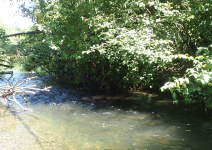
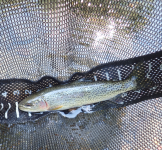
The original post asked about holding water... I was taught that fish need 3 things: access to food; protection from predators and relief from the current. Broken water (riffles), murky water, overhangs or undercuts usually provide predator relief. Rocks, depressions, logs, or back eddies provide relief from current. Seams are streams' conveyor belt for food. Downstream and upstream from boulders are also good spots to prospect. Try fishing just under shallow drops or small rapids where the water softens. Start there and simply pay attention to what works. It's very satisfying to scope out a likely spot and find your guess to be right by actually hooking up!
BTW: like in the Matrix, some rules can be bent and some can be broken. (Example: fish never rise facing directly into the sun to take a dry fly - - until they do!)
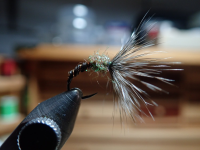
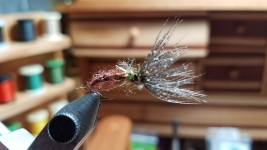
Lots of folks have talked here about fly selection... I'd suggest narrowing your fly selections to no more than about 4 to 6 dries and nymphs (each) in a no more than 3 sizes and get to know when they work and how best to fish them. Too many choices can be as bad as too few until you develop your confidence of what to try and why. The 'best' selection will depend on where you generally like to fish (geographically), the type of water (lakes or rivers), the time of the year, the time of day, and the weather. You might want to drop by a local fly shop and ask them for their recommendation. I'd bet they'll be happy to help.
Good luck and enjoy the learning!