I know, like, "TaDa. How'd ya like that one folks?" We caught that too.Seems to have a look as if to say, Don’t discount a duck, and never malign a mallard.
Follow along with the video below to see how to install our site as a web app on your home screen.
Note: This feature may not be available in some browsers.
I know, like, "TaDa. How'd ya like that one folks?" We caught that too.Seems to have a look as if to say, Don’t discount a duck, and never malign a mallard.

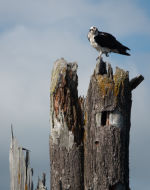
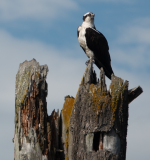
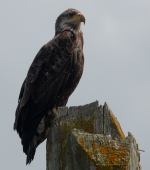
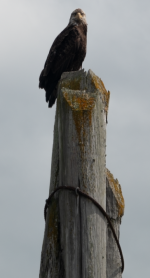


Follow-up...Yes, and Florida Canyon very close by. Thought we heard one once as they have a very distinctive call but no luck. The tough thing there is that they like the same spot that is the easiest hiking trail so their are always a lot of people trying to do the asme thing.
These days they go by the name of "Coppery-tailed Trogon" but I think I liveth told name best. Been an occasional birder forever but only recently tried photographing them. Much harder than my normal static landscape photography.
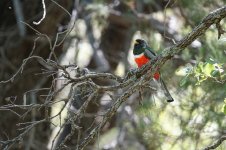
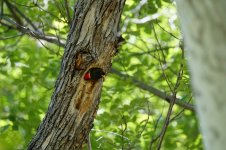

Wow…those are cool!Follow-up...
My daughter is in Tucson right now on a birding trip and spotted a Coppery-tailed Trogon at Madera Canyon. Her pics below. I hd no idea they nested in woodpecker holes.
View attachment 183903
View attachment 183902
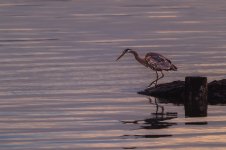
 Heron Fishing At Low Tide
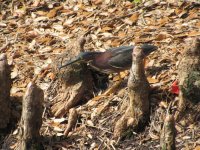
Was out this AM looking for landscape shots and saw heron fishing at low tide. After I got my normal shot, threw the 600 on and got a couple of the GBH despite the tough back lighting.
View attachment 183905
The other shot.

Awesome pics, Rich!Some South Florida birds.
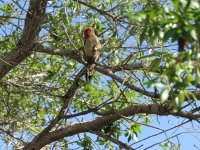
Red bellied woodpecker
View attachment 183974
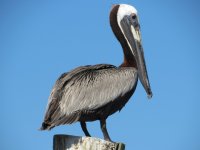
Brown Pelican
View attachment 183975
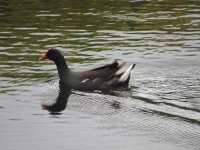
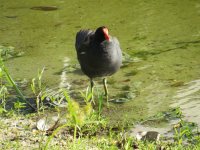
American Gallinule
View attachment 183976
View attachment 183977
Anhinga
View attachment 183978
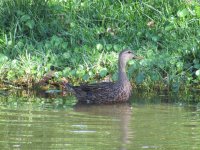
Mottled duck- a Florida native
View attachment 183979
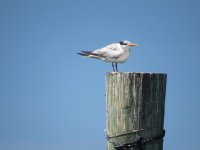
Royal Tern
View attachment 183980
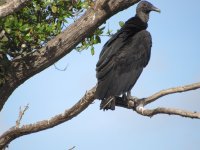
Black Vulture
View attachment 183981
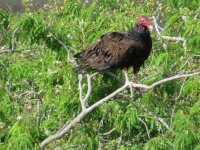
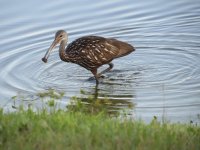
Turkey VultureView attachment 183982 Limpkin
View attachment 183983
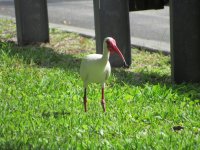
American White Ibis
View attachment 183984
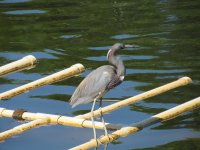
Tri-Colored Heron View attachment 183985
Green Heron
View attachment 183986

Wow!Some South Florida birds.
Red bellied woodpecker
View attachment 183974
Brown Pelican
View attachment 183975
American Gallinule
View attachment 183976
View attachment 183977
Anhinga
View attachment 183978
Mottled duck- a Florida native
View attachment 183979
Royal Tern
View attachment 183980
Black Vulture
View attachment 183981
Turkey VultureView attachment 183982 Limpkin
View attachment 183983
American White Ibis
View attachment 183984
Tri-Colored Heron View attachment 183985
Green Heron
View attachment 183986
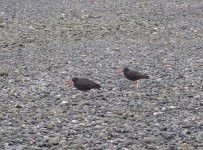

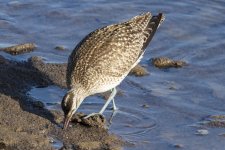
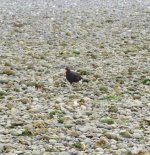
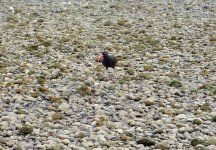
Oystercatchers use their bills like chisels to remove limpets from rocks or cut the adductor muscle of an oyster or mussel. They don't typically use their bills to probe into the sediment like a whimbrel would.
View attachment 184193
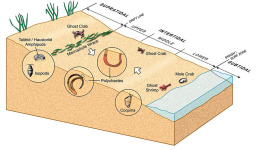
On a beach, especially one with soft sediments, like sand or mud, there are several possible burrowing animals that produce round burrows. Like the rocky intertidal, there is clear zonation across the tide line reflecting how much exposure a species can tolerate.
View attachment 184186
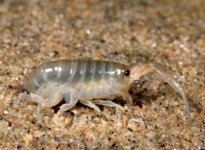
At the high tide line, round holes about 1/4' in diameter, might have been produced by burrowing semi-terrestrial amphipods, such as beach hoppers (such as Megalorchestia californiana).
View attachment 184192
They are detritivores that feed on drift algae that wash up on the beach.
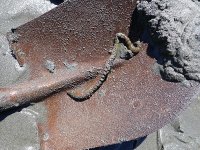
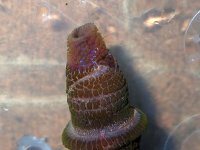
Below the high tide line, you can find smaller holes that are created by smaller burrowing polychaetes (sea worms). Lower down, you can find the fecal mounds of the lugworm, Abarenicola pacifica.
View attachment 184188
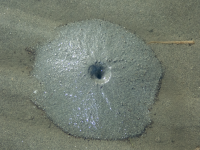
These worms are deposit feeders that produce U-shaped burrows. The head of the worm engulfs mouthfuls of sediment below the surface. That can produce dimples in the surface as the sand collapses into the gap.
View attachment 184189
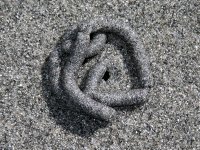
The sand is processed quickly through the digestive tract, a quantity over quality approach. Periodically, the worm backs up in its U-shaped burrow and defecates on the surface.
View attachment 184190
If the area is wet, the fecal cast breaks down to an elevated mound with a round center.
View attachment 184191
The worms are at their most vulnerable when they back up to the surface. Flounders, staghorn sculpins, and possibly searun cutthroat trout may nip off a few of the anal segments, which the worm can regrow.
In the same zone and lower, you may find the large patches of the burrows of bay ghost shrimp and blue mud shrimp.
Steve
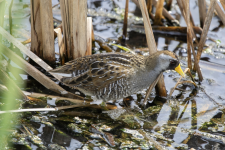
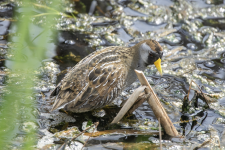
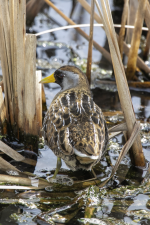
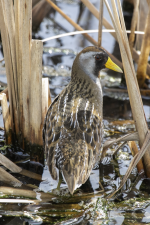
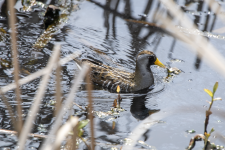
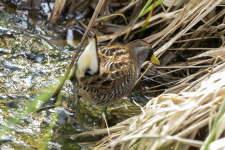
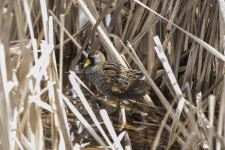

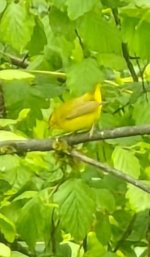
Yes, Wilson's.Lousy pics but finally snapped one of the warblers that hide in the brush. Pretty sure this is a Wilson's.