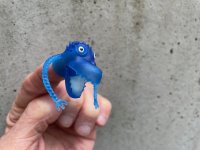
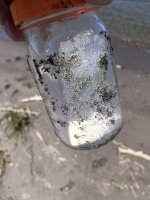
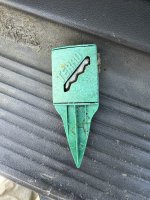
Saw just a hint of orange sticking out of the sand. After relocating beaches, ran into a young couple with their son in the parking lot. He was happy to get a new toy to play with on the beach.
SF
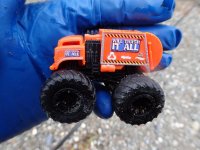
SF

Follow along with the video below to see how to install our site as a web app on your home screen.
Note: This feature may not be available in some browsers.
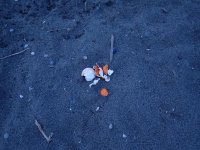
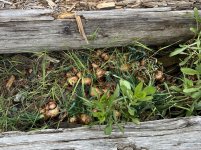

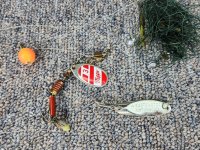


The spinner to end all spinners! I caught a 57 pound chinook on one just like that.I would have no problem with certain streams being special regs., c&r, and NO BRAID!!!!!!!!! I'M SO TIRED OF CLEANING THIS SHIT UP EVERY SPRING!!! There's that fly.
View attachment 116066

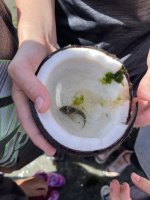

A coconut tidepool for a tidepool sculpin...

Woah, that's a statistically near impossible puget slam!
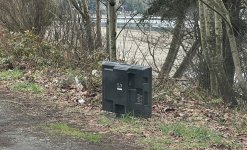
A CRT TV set that must have been floating around Puget Sound since the Jurassic Age:
View attachment 117110
And this happy little fella.
View attachment 117111
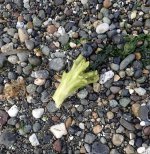

I think that’s actually a nudibroc

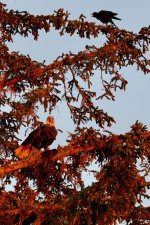
The light and dark banding patterns on the dorsal and anal fins of that flatfish are consistent with a starry flounder. From pictures on dedicated birding sites, starry flounders are frequent targets of ospreys too. And I've captured pictures of great blue herons spearing them too.
Aye, but it didn’t rhyme.The light and dark banding patterns on the dorsal and anal fins of that flatfish are consistent with a starry flounder. From pictures on dedicated birding sites, starry flounders are frequent targets of ospreys too. And I've captured pictures of great blue herons spearing them too.
Steve
Haha. It is the one flounder that I feel confident identifying from photographs.Aye, but it didn’t rhyme.
I do, though, appreciate the depth of your knowledge and ability to ID a fish from a shitty photo.
Interesting that the flounders are up high enough in the water column that osprey target them. Or, maybe it’s when they come into the shallows to feed or are dragged there on the end of a tippet and hook?
Cheers!
That would be cool. I may have to try that. I also wonder if a drone could also get a clouser out of a tree.Haha. It is the one flounder that I feel confident identifying from photographs.
I suspect that the osprey (and eagles) are targeting the flatfish in shallow water as the flounders follow the tide. There are lots of invertebrates that spend low tide in burrows but then emerge as they are covered by the rising tide to feed. And this may be especially true because shallow water diatoms populations can really explode in damp sand - turn the sand golden. It does reflect the visual acuity of these birds that they can see them in often turbid water. [It would be cool to have some drone footage over the shallows as the tide comes in and recedes from a sandy beach.]
Steve