

***A post for those concerned about their risk of heart disease and how to understand it before agreeing to medication. I'm not a medical doctor or a cardiologist, just a person who wants to live an active life.
Most men start up their annual doctor visits in their 40s or 50s, hopefully before any medical issues arise. Blood is drawn, weight and blood pressure is measured, balance & reflexes tested. Quick, boring, and marginally informative of your risk of serious disease.
But... what should you make of your cholesterol, triglyceride, and glucose level numbers? Do you have a potential issue with cardiovascular disease, the #1 male cause of death? Should you be prescribed a cholesterol lowering medication and take it for the rest of your life,... just in case ? Or is a healthy diet, adequate sleep, regular exercise, normal weight, no nicotine, no alcohol, and normal blood pressure sufficient to mitigate your risk?
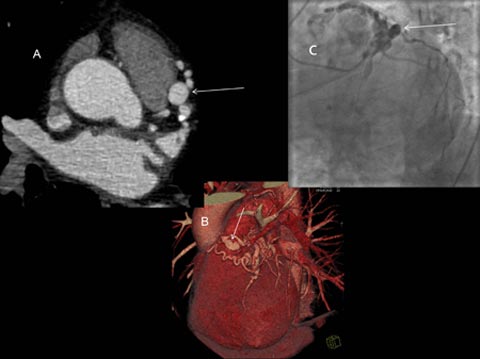
To directly determine my risk of coronary artery disease, I requested a Coronary CT Angiogram (CCTA).
 www.radiologyinfo.org
The procedure first scanned for calcified plaque in my coronary arteries (CAC calcium score). Then a second scan used a contrast agent to measure "soft plaque" accumulation in my coronary arteries (CAD-RADS score). My appointment took about 90 minutes, but a couple days later I received my results.
I had no detectable coronary artery disese: CAC score = 0, CAD-RADS = 0. My probability of a heart attack in the next 10 years is extremely low.
This was a relief, because my father died of a massive heart attack in his early 60s. I have always tested in the "high" cholesterol LDL range, despite having low triglycerides and low glucose levels (not prediabetic). My doctors had been pressing me for years to take a high dose statin drug and possibly an expensive antibody therapeutic. I declined these drugs several times in the past. Following my CCTA test results, my doctors dropped their prescription requests. I had no disease to treat.
The reason I posted this is because I believe in preventative medicine. A CCTA scan is the best test to inform you and your doctors of your coronary artery disease risk. Cholesterol testing is insufficient to judge your risk. A low-moderate cholesterol score does not mean you have healthy coronary arteries, especially if you are prediabetic.
The cost of a CCTA is in the several hundreds depending on your medical insurance. That is far cheaper than taking a lifetime of cholesterol drugs you never needed or suffering the effects of a heart attack.
I hope this helps someone. Cheers!
Most men start up their annual doctor visits in their 40s or 50s, hopefully before any medical issues arise. Blood is drawn, weight and blood pressure is measured, balance & reflexes tested. Quick, boring, and marginally informative of your risk of serious disease.
But... what should you make of your cholesterol, triglyceride, and glucose level numbers? Do you have a potential issue with cardiovascular disease, the #1 male cause of death? Should you be prescribed a cholesterol lowering medication and take it for the rest of your life,... just in case
? Or is a healthy diet, adequate sleep, regular exercise, normal weight, no nicotine, no alcohol, and normal blood pressure sufficient to mitigate your risk?To directly determine my risk of coronary artery disease, I requested a Coronary CT Angiogram (CCTA).
Coronary Computed Tomography Angiography (CCTA)
Current and accurate information for patients about Coronary CTA. Learn what you might experience, how to prepare for the exam, benefits, risks and much more.
www.radiologyinfo.org
The procedure first scanned for calcified plaque in my coronary arteries (CAC calcium score). Then a second scan used a contrast agent to measure "soft plaque" accumulation in my coronary arteries (CAD-RADS score). My appointment took about 90 minutes, but a couple days later I received my results.
I had no detectable coronary artery disese: CAC score = 0, CAD-RADS = 0. My probability of a heart attack in the next 10 years is extremely low.
This was a relief, because my father died of a massive heart attack in his early 60s. I have always tested in the "high" cholesterol LDL range, despite having low triglycerides and low glucose levels (not prediabetic). My doctors had been pressing me for years to take a high dose statin drug and possibly an expensive antibody therapeutic. I declined these drugs several times in the past. Following my CCTA test results, my doctors dropped their prescription requests. I had no disease to treat.
The reason I posted this is because I believe in preventative medicine. A CCTA scan is the best test to inform you and your doctors of your coronary artery disease risk. Cholesterol testing is insufficient to judge your risk. A low-moderate cholesterol score does not mean you have healthy coronary arteries, especially if you are prediabetic.
The cost of a CCTA is in the several hundreds depending on your medical insurance. That is far cheaper than taking a lifetime of cholesterol drugs you never needed or suffering the effects of a heart attack.
I hope this helps someone. Cheers!
Last edited:


